
The Complete Guide to Spring Yard Cleanup in Lincoln, NE
Winter in Lincoln doesn’t go easy on your yard. Between the snow, ice, and those wild temperature swings we experience from January to March, your lawn takes a beating. By the time spring rolls around, most yards are buried under dead leaves, broken branches, and matted-down grass that’s been suffocated for months.
A good spring cleanup isn’t just about making things look nice. It’s about setting your lawn up for a healthy growing season. Skip this step, and you’re looking at patchy grass, pest problems, and weeds that take over before your lawn has a chance to bounce back.
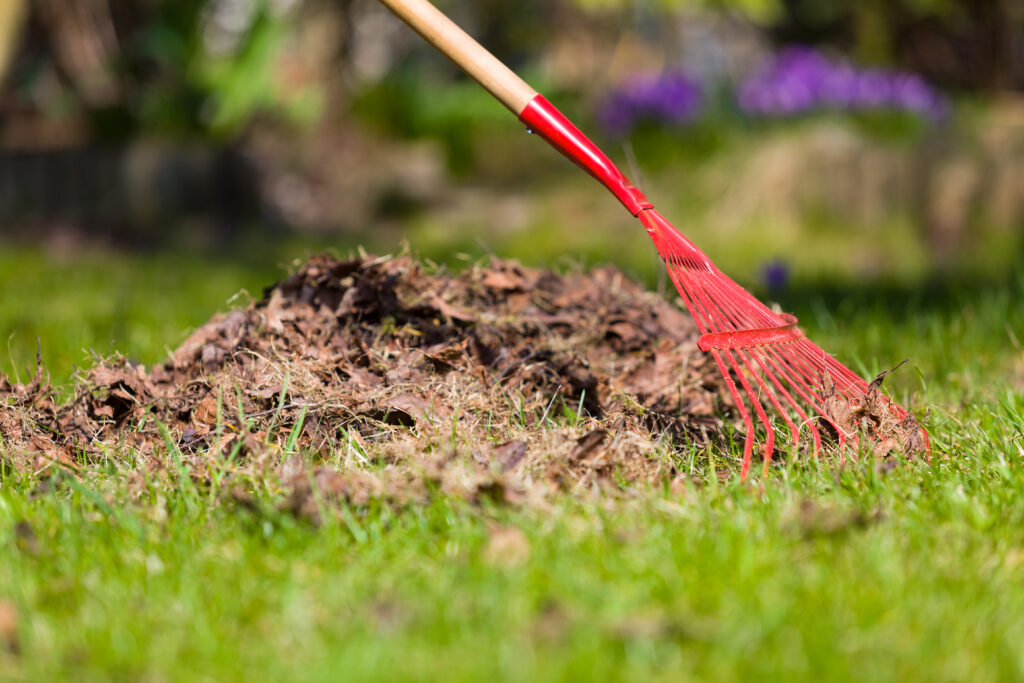
This guide walks you through everything you need to know about spring yard cleanup in Lincoln. We’ll cover when to start, what tasks to tackle, and how to work with Nebraska’s unpredictable spring weather.
When to Start Spring Cleanup in Lincoln
Timing matters more than you might think. Start too early, and you risk damaging wet soil or killing off beneficial insects that haven’t emerged yet. Wait too long, and weeds get a head start while your grass struggles to catch up.
In Lincoln, the sweet spot is usually late March through mid-April. But don’t go by the calendar alone. Here’s what to look for:
- Soil temperature: Wait until soil temps hit 55°F consistently. You can check current readings at the UNL CropWatch website.
- Ground conditions: The soil should be dry enough that you’re not leaving footprints when you walk across the lawn. Working on soggy ground compacts the soil and damages grass roots.
- Grass color: Your lawn should be starting to green up. If it’s still brown and dormant, hold off a bit longer.
- Frost risk: Lincoln’s last frost date is typically around mid-April. Some cleanup tasks can start before this, but hold off on pruning tender plants until frost danger passes.
One more thing: be patient with leaf litter in garden beds. Native bees and butterflies overwinter in dead plant material. If you can wait until daytime temps are consistently above 50°F for a week or so, you’ll give these pollinators time to emerge before you clear things out.
Step-by-Step Spring Cleanup Tasks
Spring cleanup isn’t complicated, but there’s a logical order to follow. Tackle these tasks in sequence for the best results.
1. Clear Debris and Rake the Lawn
Start by walking the property and picking up branches, sticks, and any trash that blew in over winter. Check along fence lines and in corners where debris tends to pile up.
Next, give your lawn a thorough raking. Use a leaf rake, not a hard garden rake. You’re trying to lift matted grass and remove dead leaves without tearing up the turf. This step does a few important things:
- Removes leaves that smother grass and block sunlight
- Breaks up thatch buildup
- Helps identify bare spots that need attention
- Prevents snow mold and fungal diseases from spreading
2. Clean Up Flower Beds and Borders
Once the lawn is clear, turn your attention to landscape beds. Pull back old mulch and remove dead plant material from last year. Cut back perennials that weren’t trimmed in fall—most can be cut to 4-5 inches above ground level.
Check for plants that heaved out of the ground during freeze-thaw cycles. Gently press them back into place and tamp down the soil around them. If any plants are too far gone, remove them entirely.
This is also a good time to redefine bed edges. Use a flat spade to cut a clean line between your lawn and garden beds. Sharp edges make a big difference in how polished your yard looks.
3. Prune Trees and Shrubs
Early spring is the right time to prune most deciduous trees and shrubs—before new growth starts but after the worst cold has passed. Focus on removing:
- Dead or damaged branches
- Crossing branches that rub against each other
- Suckers growing from the base of trees
- Overgrown branches that block walkways or windows
Hold off on pruning spring-flowering shrubs like forsythia, lilac, and azalea. These bloom on old wood, so pruning now means cutting off this year’s flowers. Wait until right after they finish blooming to shape them up.
4. Address Lawn Damage and Bare Spots
Winter leaves its mark. Salt damage along sidewalks and driveways, dead patches from snow mold, bare spots from heavy traffic—these all need attention.
For small bare areas, loosen the soil with a rake, spread grass seed, and lightly rake it in. Keep the area moist until the seed germinates. In Lincoln, the best time to overseed cool-season grasses like Kentucky bluegrass and tall fescue is mid-April through early May, when soil temperatures support good germination.
For salt-damaged areas, flush the soil with water to help wash out the salt, then reseed once the area dries out.
5. Apply Pre-Emergent Weed Control
Crabgrass is the enemy of every Lincoln lawn, and the only way to beat it is to stop it before it starts. Pre-emergent herbicides create a barrier in the soil that prevents crabgrass seeds from germinating.
Timing is everything. Apply pre-emergent when soil temperatures reach 55-60°F for several days in a row. In Lincoln, this usually happens in early to mid-April. Apply too early and the product breaks down before crabgrass germinates. Apply too late and the seeds have already sprouted.
Important: Pre-emergent herbicides prevent ALL seeds from germinating, including grass seed. If you’re overseeding bare spots, either skip the pre-emergent in those areas or use a product like Tenacity (mesotrione) that allows seeding.
6. First Mow of the Season
Don’t rush to mow. Wait until your grass is actively growing and reaches about 3-4 inches tall. For the first mow, set your mower one notch lower than usual to remove dead tips and any remaining debris.
After that first cut, raise the deck back up. For Kentucky bluegrass and tall fescue—the most common lawn grasses in Lincoln—a mowing height of 3 to 3.5 inches is ideal. Taller grass develops deeper roots, handles drought better, and naturally shades out weeds.
Make sure your mower blades are sharp. Dull blades tear grass instead of cutting it cleanly, leaving ragged edges that turn brown and invite disease.
7. Fertilize (If Needed)
Spring fertilization is optional for most Lincoln lawns. If your lawn went into winter healthy and you fertilized in fall, it probably doesn’t need much help in spring.
If you do fertilize, wait until late April or early May when the grass is actively growing. Use a light application—about half the rate you’d use in fall. Heavy spring fertilization can actually cause problems: it pushes top growth at the expense of root development and makes your lawn more susceptible to summer stress.
Not sure what your lawn needs? A soil test takes the guesswork out. The UNL Extension office in Lancaster County can help you get your soil tested and interpret the results.
8. Refresh Mulch
After beds are cleaned and edged, add fresh mulch. A 2-3 inch layer helps retain moisture, regulate soil temperature, and suppress weeds. Keep mulch pulled back a few inches from tree trunks and plant stems to prevent rot.
In Lincoln, you’ll find plenty of mulch options at local garden centers and landscape supply yards. Hardwood mulch is a solid all-purpose choice. Cedar mulch lasts longer and has some natural pest-repellent properties, but costs more.
Spring Cleanup and Lincoln's Clay Soil
If you’ve gardened in Lincoln for any length of time, you know about our clay soil. It’s dense, it drains poorly, and it compacts easily. This affects how you approach spring cleanup.
Clay soil stays wet longer than sandy soil, so you’ll need to be more patient about when you start working in the yard. Walking on wet clay compacts it badly, damaging soil structure and making it harder for grass roots to grow.
If your lawn feels spongy or you’re leaving visible footprints, it’s too wet. Wait a few more days. The same goes for garden beds—working wet clay turns it into dense clumps that take months to break down.
Aeration helps with compacted clay, but fall is actually the better time for this task in Nebraska. If you didn’t aerate last fall and your soil is seriously compacted, you can aerate in spring once the grass is actively growing. Just know that spring aeration can give weed seeds an opportunity to take hold.
In Lincoln, you’ll find plenty of mulch options at local garden centers and landscape supply yards. Hardwood mulch is a solid all-purpose choice. Cedar mulch lasts longer and has some natural pest-repellent properties, but costs more.
Common Spring Cleanup Mistakes to Avoid
Even well-intentioned homeowners make mistakes that set their lawn back. Here are the most common ones:
Starting too early. We get it—after a long winter, you’re ready to be outside. But working on frozen or soggy ground does more harm than good. Be patient.
Scalping the lawn. Cutting grass too short stresses it and exposes soil to sunlight, which helps weed seeds germinate. Keep that mowing height up.
Fertilizing too much, too soon. Heavy spring fertilization forces weak, rapid growth. Your lawn will look great for a few weeks, then struggle when summer heat arrives.
Ignoring pre-emergent timing. Miss the window for crabgrass prevention and you’ll be fighting it all summer. Mark your calendar and pay attention to soil temps.
Pruning spring bloomers before they flower. Lilacs, forsythia, and similar shrubs form flower buds in fall. Prune them in spring and you’re cutting off this year’s show.
DIY vs. Professional Spring Cleanup
Spring cleanup is manageable for most homeowners, especially if you have a small to medium-sized yard and the right tools. A rake, pruners, mower, and a few hours on a nice weekend will get you pretty far.
That said, there are good reasons to bring in a professional:
- Large properties: What takes a homeowner all weekend might take a crew a few hours.
- Limited time: Between work and family, not everyone has the hours to dedicate to yard work.
- Physical limitations: Raking, hauling debris, and running a mower are hard on the body.
- Expertise: Pros know the right timing, techniques, and products for Lincoln’s specific conditions.
- Equipment: Professional-grade tools get better results faster.
A professional spring cleanup typically includes debris removal, bed cleanup, edging, pruning, mulching, and often the first mow of the season. Some companies also offer fertilization and pre-emergent application as part of a package.
Get Your Lincoln Yard Ready for Spring
Spring cleanup sets the tone for your entire growing season. Take the time to do it right—clear the debris, clean up beds, prune what needs pruning, and give your lawn the attention it needs to thrive.
The work you put in now pays off all summer long with a healthier lawn, fewer weeds, and less time spent dealing with problems that could have been prevented.
Why Choose Priority Lawn and Landscape?
Priority Lawn and Landscape is a locally-owned and operated company with over a decade of yard care and landscaping experience. We offer fair, upfront pricing, and reliable service you can count on. We know your yard is a key part of your home. It improves curb appeal and serve as a space of rest and relaxation. That’s why we promise to make your lawn, our priority.
Need help getting your yard in shape this spring? Priority Lawn and Landscape offers complete spring cleanup services throughout Lincoln and the surrounding areas. Let us help you make the most out of your lawn this season. Contact us today for a free estimate.
EXCELLENT Based on 26 reviews
 Posted on Google
 Kelsey SlausonPosted on Google
 Amy JensenThank you Priority Lawn for taking care of my yard! I had lots of weeds and unwanted plants growing throughout my yard. I had contacted a few other places and found that they only spray weeds and do not dig them up. What a disappointment! Not only did Priority Lawn take care of them all they did a fantastic job!Posted on Google
 RyanPriority did a great job. Would recommend to anyonePosted on Google
 David MattinglyBryce was awesome from the design meeting throughout the project. Very professional and a great job on my new grill area on THANKSPosted on Google
 Barbara AndersonPosted on Google
 Alex SwiatekPosted on Google
 Diane HudsonExcellent, quality work. Very professional, knowledgeable, and skilled.! Excited to work with this company in the future!Posted on Google
 Tahner PHuge shoutout to Bryce and the whole Priority team who came out last week. Bryce was super helpful in figuring out the drainage issue we had going on and really gave us a good idea of what to expect and how it could be fixed. Also the quote was incredibly reasonable compared to many others we talked to. They did a great job getting the drainage done and we are already seeing a big difference in our yard. They also were awesome getting everything cleaned up. The biggest thing was how awesome they were to my 6 year old. He was so interested with what was going on, and they let him get involved and help out. For like 4-5 hours he was out there moving dirt and "helping." Hopefully it was not too much of a bother. Anyways, thanks a ton to the Bryce and his team!Posted on Google
 Sonja KroppWe are so pleased with the results of our landscaping project. Bryce provided us with invaluable suggestions, detailed (and reasonable) pricing estimates, and a timely schedule. His crew was very professional and attentive to last minute changes. Thank you!Posted on Google
 KIM KingI am so happy with Priority One! In just a few weeks, our yard is healthy, green, and growing! Our shrubs are beautifully thriving and trimmed. I am so excited for our landscaping project to begin very soon! Great customer service, attention to detail and knowledgeable! Thank you!Verified by TrustindexTrustindex verified badge is the Universal Symbol of Trust. Only the greatest companies can get the verified badge who has a review score above 4.5, based on customer reviews over the past 12 months. Read more

Bryce Schouboe
Related Articles
- When to Start Spring Yard Cleanup in Lincoln, Nebraska
- Spring Lawn Debris Removal: Why It Matters for Your Lincoln Yard & Landscape
- Spring Pruning Guide: Trees and Shrubs in Lincoln, NE
- How to Prepare Your Lawn for Spring in Lincoln, Nebraska
- Spring Flower Bed Cleanup and Preparation in Lincoln, NE
- Spring Mulching: Best Practices for Lincoln, NE
- Spring Aeration and Overseeding in Nebraska
- Crabgrass Prevention: Spring Pre-Emergent Timing for Lincoln
- Spring Fertilization Schedule for Nebraska Lawns
- DIY vs. Professional Spring Yard Cleanup: What Lincoln Homeowners Should Know