
Spring Lawn Debris Removal: Why It Matters for Your Lincoln Yard & Landscape
After a long Nebraska winter, most Lincoln homeowners are ready to get outside and enjoy their yards again. But before you start planning backyard barbecues or planting your garden, there’s an important first step that many people overlook: spring lawn debris removal. Those leftover leaves, fallen branches, and accumulated winter mess aren’t just an eyesore. They’re actively working against the health of your lawn.
If you’ve ever wondered why some lawns in your neighborhood seem to bounce back faster each spring while others struggle with bare patches and weeds, debris removal is often the difference.
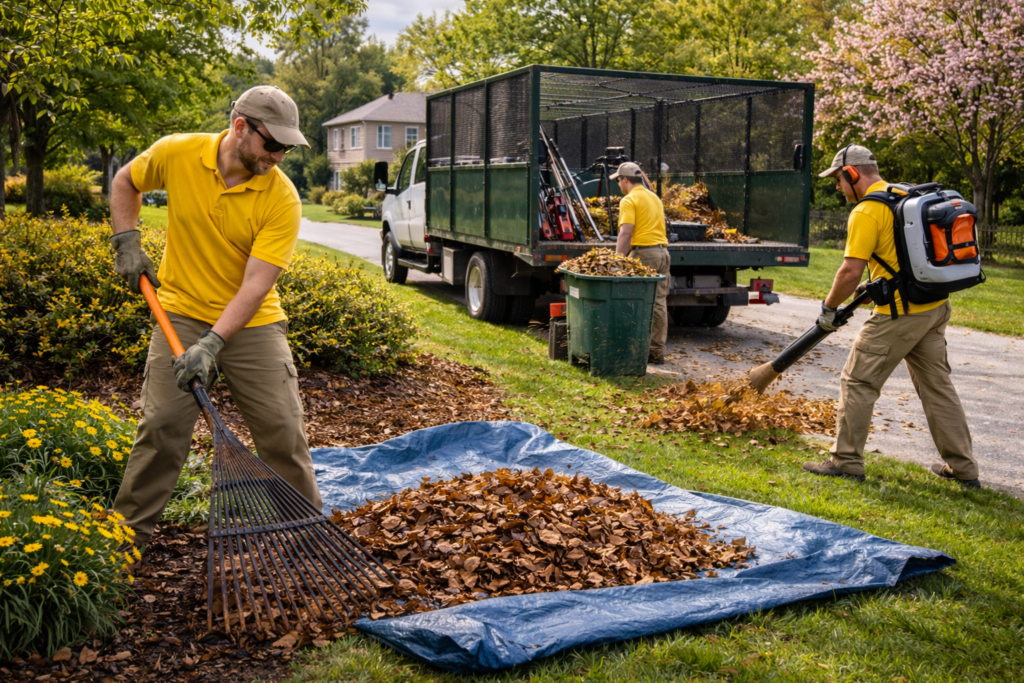
We’ll walk through everything Lincoln homeowners need to know about spring leaf cleanup and why getting this done early makes such a big difference for the rest of the growing season.
What Counts as Lawn Debris?
When we talk about lawn debris removal in Lincoln, we’re not just talking about leaves, though those are certainly part of it. Spring debris includes all the organic and inorganic material that has collected on your lawn over the fall and winter months. Here in Lincoln, that typically means a combination of several things.
Fallen leaves are the most obvious culprit. Even if you did a thorough fall cleanup, wind and late-falling leaves from oak trees often leave behind a secondary layer. Lincoln’s many mature trees, especially in neighborhoods like Near South, Woods Park, and Sheridan Boulevard, can produce enormous amounts of leaf litter that compacts over the winter.
Dead grass and thatch buildup also accumulate over winter. Thatch is that spongy layer of dead organic material that sits between your grass blades and the soil surface. Some thatch is normal, but winter conditions can cause it to build up to unhealthy levels, especially in lawns that went dormant late in the season.
Twigs and branches are another common issue. Nebraska’s winter storms often leave behind broken limbs, and even smaller twigs can cause problems if left scattered across your lawn. You’ll also find seed pods, especially from maple and ash trees, along with pine needles if you have evergreens nearby.
Finally, there’s the miscellaneous debris that winter deposits: trash blown in by wind, sand and gravel from street treatments, animal waste, and whatever else found its way onto your property during the colder months.
Why Timing Matters for Spring Leaf Cleanup in Lincoln
Lincoln’s growing season is shorter than many other parts of the country. Our lawns typically break dormancy in late March or early April, depending on the year, and they need to make the most of every growing week before summer’s heat stress arrives. This makes the timing of your spring leaf cleanup especially important.
The ideal window for lawn debris removal in Lincoln is typically mid-March through mid-April. You want to wait until the ground has thawed enough to walk on without causing compaction, but you also want to act before your grass starts actively growing. Working on frozen or waterlogged soil can cause more harm than good, but waiting too long means your grass is already competing with the debris for sunlight and nutrients.
Cool-season grasses like Kentucky bluegrass and tall fescue, which are the most common lawn types in Lincoln, do most of their root development in early spring. If debris is blocking sunlight and trapping moisture during this critical period, those roots can’t develop properly. You’ll end up with a lawn that looks thin in spring and struggles even more during summer’s heat.
What Happens If You Skip Lawn Debris Removal
Some homeowners figure that leaves and other debris will just break down on their own. While that’s technically true, the timeline doesn’t work in your lawn’s favor. Here’s what actually happens when debris sits on your lawn through spring.
Sunlight Gets Blocked
Grass needs sunlight to photosynthesize and produce the energy it needs to grow. Even a thin layer of matted leaves can reduce the amount of light reaching your grass blades by 50% or more. The grass underneath will turn yellow, weaken, and eventually die if the coverage is thick enough or lasts long enough.
Moisture Problems Develop
Debris traps moisture against the soil surface and grass crowns. In moderate amounts, moisture is good for grass. But when it can’t evaporate properly, it creates the perfect conditions for fungal diseases. Snow mold, a common problem in Lincoln yards, develops when dead grass and leaves hold moisture against the lawn surface for extended periods. You’ll see circular patches of matted, gray or pink grass that can take months to recover.
Pests Find a Home
That layer of leaves and debris provides shelter for all sorts of unwanted guests. Voles tunnel through leaf litter and chew on grass roots. Grubs continue feeding protected from birds that might otherwise eat them. Insect eggs overwinter safely and hatch in spring with a ready food source. Cleaning up debris removes this habitat and exposes pests to predators and the elements.
Weeds Get a Head Start
Weeds are opportunistic. When your grass is weakened and thin, weeds are happy to fill the gaps. Debris that kills patches of grass creates perfect openings for dandelions, clover, crabgrass, and other unwanted plants. It’s much easier to prevent these problems with early spring cleanup than to fight established weeds all summer.
The Right Way to Handle Spring Cleanup in Lincoln
Effective lawn debris removal involves more than just raking leaves into a pile. There’s a process that maximizes benefits while avoiding damage to your lawn.
Start with a Walk-Through
Before you start any cleanup work, walk your entire property. Look for areas with heavy debris accumulation, spots where water seems to pool, and any damage from the winter. Note where branches have fallen and check for any signs of animal damage or disease. This gives you a plan of attack and helps you spot problems early.
Remove Large Debris First
Start by picking up branches, sticks, and any larger items. This makes the rest of the cleanup easier and prevents damage to your equipment. Lincoln residents can dispose of yard waste through the city’s composting program, which accepts branches up to 6 inches in diameter and 4 feet in length.
Rake or Blow Leaves Carefully
When removing leaves, work gently. Spring grass is tender and easily damaged. Use a flexible leaf rake rather than a heavy garden rake, and avoid aggressive back-and-forth motions that can tear up grass. Leaf blowers work well for lighter debris, but be careful not to blast young grass right out of the ground.
Pay special attention to areas under trees and along fence lines where leaves tend to accumulate. Corners of the yard and spots against the foundation of your house often get missed during fall cleanup and can harbor thick mats of decomposing leaves.
Address Thatch Buildup
If your lawn has a thick layer of thatch (more than half an inch), spring is a good time to address it. Light dethatching with a power rake can help, but this is best done when the grass is actively growing and can recover quickly. For Lincoln lawns, late April to early May is usually the sweet spot for this kind of work.
Don’t Forget the Edges
Debris along sidewalks, driveways, and mulch beds can blow back onto your lawn with the first spring storm. Take time to clean up these areas too. Clear out any leaves that have packed into your mulch beds, as these can smother perennials and create disease problems similar to what happens on your lawn.
Special Considerations for Lincoln, Nebraska
Lincoln’s specific climate and landscape create some unique challenges for spring lawn care that are worth considering.
Our heavy clay soils don’t drain as well as sandier soils found in other parts of the country. This means moisture trapped by debris takes longer to evaporate and causes more damage. Lincoln yards are also more prone to compaction, so timing your cleanup for when the soil isn’t waterlogged is especially important.
The city’s mature tree canopy is one of Lincoln’s best features, but it also means many yards deal with significant leaf accumulation. Neighborhoods like Eastridge, Country Club, and the older areas near downtown often have yards where trees from neighboring properties contribute as much debris as your own trees do.
Lincoln’s variable spring weather also complicates timing. It’s not unusual to have warm days in March followed by late snow in April. Keep an eye on the forecast and be prepared to adjust your plans. If possible, try to get debris removal done before any predicted heavy rain, which can pack leaves down even tighter.
When to Call a Professional for Lawn Debris Removal
Spring leaf cleanup in Lincoln is something many homeowners can handle themselves, but there are situations where professional help makes sense.
Large properties with significant tree coverage can require hours of work to clean properly. If you’re looking at a yard full of compacted leaves and don’t have the time or equipment to deal with it, a professional crew can often complete the job in a fraction of the time.
Properties with steep slopes or difficult terrain can be challenging to clean safely. Wet leaves on a hill are slippery, and dragging heavy tarps of debris uphill isn’t worth a back injury.
If your lawn has existing problems like heavy thatch, disease, or significant winter damage, a professional can assess the situation and provide treatment beyond just debris removal. Sometimes what looks like a simple cleanup job is actually the starting point for broader lawn rehabilitation.
Finally, if you’re simply too busy to get the work done in the optimal window, hiring help is better than letting debris sit. A couple hundred dollars for professional spring cleanup is a small investment compared to the cost of reseeding dead patches or fighting weeds all summer.
What Comes After Debris Removal
Once your lawn is clear of debris, you’re in a great position to set up the rest of your lawn care season. Here’s what typically comes next for Lincoln lawns.
A spring fertilizer application helps your grass take advantage of its peak growing season. For Lincoln lawns, look for a balanced fertilizer or one that’s slightly higher in nitrogen to encourage green growth. Apply this after your grass has started actively growing, usually late April or early May.
Pre-emergent weed control should go down before soil temperatures consistently reach 55 degrees. This prevents crabgrass and other annual weeds from germinating. In Lincoln, this window is typically early to mid-April, though it varies by year.
If you have bare or thin spots, spring is a reasonable time for overseeding, though fall is generally better in our climate. If you do seed in spring, keep in mind that pre-emergent herbicides will prevent grass seed from germinating just like they prevent weeds. You’ll need to choose one or the other for affected areas.
Plan to start mowing when your grass reaches about 3 to 4 inches in height. For that first mowing of the season, don’t cut more than one-third of the grass height. This prevents stress and allows your lawn to continue building energy reserves.
Making This Easier Next Year
The best way to make spring cleanup easier is to stay on top of fall leaf removal. Multiple light cleanups during October and November are easier than one massive spring project. Mulching leaves with your mower during fall can also help by breaking them down before they have a chance to mat.
Keeping your lawn healthy throughout the growing season also helps. A thick, vigorous lawn sheds debris more easily and recovers faster from winter damage. Regular mowing, appropriate fertilization, and proper watering during summer all contribute to a lawn that handles winter better.
Consider the trees in your landscape as well. If you have trees that drop excessive debris or create dense shade that kills grass, strategic pruning or removal might make long-term sense. A certified arborist can help you evaluate your options.
Getting Your Lincoln Lawn Ready for the Season
Spring lawn debris removal might not be the most exciting part of yard work, but it’s one of the most important. The work you do in March and April sets the stage for everything that follows. A lawn that starts the season clean and healthy has a much better chance of staying that way through Lincoln’s hot, dry summers.
If the thought of tackling your spring leaf cleanup feels overwhelming, or if you just want to make sure it’s done right, Priority Lawn and Landscape is here to help. We’ve been serving Lincoln homeowners for years, and we understand the specific challenges our local soils, climate, and tree coverage create. From basic debris removal to comprehensive spring lawn care packages, we can help you get your yard ready for the growing season.
Contact us today to schedule your spring cleanup or to learn more about our lawn care services. Your yard will thank you for it.
EXCELLENT Based on 26 reviews
 Posted on Google
 Kelsey SlausonPosted on Google
 Amy JensenThank you Priority Lawn for taking care of my yard! I had lots of weeds and unwanted plants growing throughout my yard. I had contacted a few other places and found that they only spray weeds and do not dig them up. What a disappointment! Not only did Priority Lawn take care of them all they did a fantastic job!Posted on Google
 RyanPriority did a great job. Would recommend to anyonePosted on Google
 David MattinglyBryce was awesome from the design meeting throughout the project. Very professional and a great job on my new grill area on THANKSPosted on Google
 Barbara AndersonPosted on Google
 Alex SwiatekPosted on Google
 Diane HudsonExcellent, quality work. Very professional, knowledgeable, and skilled.! Excited to work with this company in the future!Posted on Google
 Tahner PHuge shoutout to Bryce and the whole Priority team who came out last week. Bryce was super helpful in figuring out the drainage issue we had going on and really gave us a good idea of what to expect and how it could be fixed. Also the quote was incredibly reasonable compared to many others we talked to. They did a great job getting the drainage done and we are already seeing a big difference in our yard. They also were awesome getting everything cleaned up. The biggest thing was how awesome they were to my 6 year old. He was so interested with what was going on, and they let him get involved and help out. For like 4-5 hours he was out there moving dirt and "helping." Hopefully it was not too much of a bother. Anyways, thanks a ton to the Bryce and his team!Posted on Google
 Sonja KroppWe are so pleased with the results of our landscaping project. Bryce provided us with invaluable suggestions, detailed (and reasonable) pricing estimates, and a timely schedule. His crew was very professional and attentive to last minute changes. Thank you!Posted on Google
 KIM KingI am so happy with Priority One! In just a few weeks, our yard is healthy, green, and growing! Our shrubs are beautifully thriving and trimmed. I am so excited for our landscaping project to begin very soon! Great customer service, attention to detail and knowledgeable! Thank you!Verified by TrustindexTrustindex verified badge is the Universal Symbol of Trust. Only the greatest companies can get the verified badge who has a review score above 4.5, based on customer reviews over the past 12 months. Read more
