
Spring Flower Bed Cleanup and Preparation in Lincoln, NE
By late March, Lincoln flower beds look rough. Dead foliage from last year’s perennials lies matted against the soil. Leaves that escaped fall cleanup have settled into every corner. Winter mulch has compacted or blown away. Whatever you planted last fall is either emerging or wasn’t as winter-hardy as the tag claimed.
Spring flower bed cleanup is the reset your garden beds need before the growing season hits full stride.
Done right, it sets up your plants for success. Done wrong—or not at all—and you’re fighting weeds, disease, and poor performance all summer.
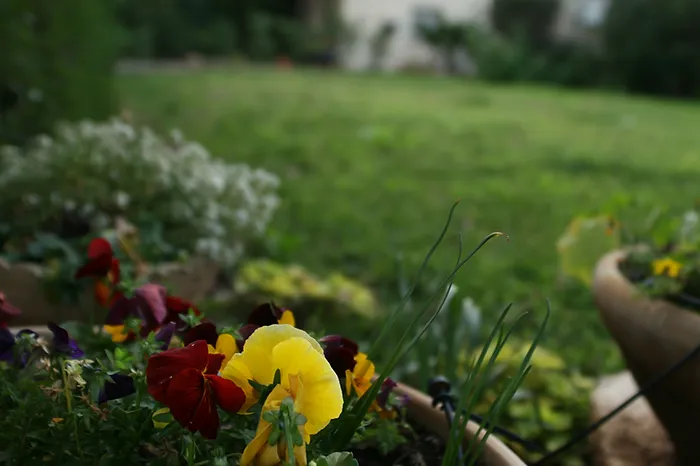
Here’s how to handle garden bed preparation in Lincoln, from timing to technique.
When to Start Spring Flower Bed Cleanup in Lincoln
Timing matters more than most gardeners realize. Start too early and you risk damaging emerging plants or removing habitat that beneficial insects still need. Wait too long and weeds get established while your perennials struggle through debris.
In Lincoln’s Zone 5b climate, the window for spring flower bed cleanup typically falls between mid-March and mid-April. The exact timing depends on weather patterns that year—some springs warm up fast while others drag into late April.
Signs It’s Time to Start
Soil temperature is your most reliable guide. When soil hits 40-45°F consistently, most cleanup tasks are safe to begin. You can buy a soil thermometer for under $15, or check the Nebraska Mesonet stations for readings around Lancaster County.
Other indicators that cleanup time has arrived:
Forsythia is blooming. This old-fashioned shrub is a reliable phenological indicator in Lincoln. When forsythia flowers, soil has warmed enough for most spring garden work.
Early bulbs are 3-4 inches tall. Daffodils and crocuses pushing through the soil surface signal that the ground is thawing and spring is genuinely underway.
Perennials show new growth at the base. Look closely at the crown of your daylilies, hostas, and ornamental grasses. When you see fresh green shoots emerging, those plants are ready for their dead material to be removed.
Daytime temperatures stay above 50°F for a week or more. Occasional warm days in February don’t count. You want a sustained pattern that indicates winter is actually releasing its grip.
What Happens If You Start Too Early
Cutting back perennials before new growth emerges risks damaging the crown, where this year’s shoots are forming. You can’t see exactly where to cut, and an aggressive cleanup can set plants back weeks.
Removing leaf litter and debris too early also eliminates overwintering habitat for beneficial insects—native bees, predatory beetles, and butterfly larvae that shelter in dead plant material through winter. Waiting until temperatures consistently reach 50°F gives these insects time to emerge.
What Happens If You Wait Too Long
Delaying cleanup past mid-April in Lincoln creates different problems. Weed seeds germinate in warm soil, and every week you wait gives them more of a head start. Annual weeds like crabgrass and foxtail can go from germination to setting seed in a single season, compounding next year’s problem.
Old plant debris left too long also harbors fungal diseases. The spores overwinter in dead foliage and splash onto new growth when spring rains arrive. Removing that material before new growth gets tall reduces disease pressure.
Matted leaves and debris can also smother emerging perennials. Hostas unfurling under a layer of wet maple leaves come up pale and weak. Daylily fans that can’t push through debris grow crooked and stressed.
Step-by-Step Garden Bed Preparation
Spring flower bed cleanup involves a logical sequence. Working through these steps in order makes the job efficient and thorough.
Step 1: Clear Large Debris
Start by removing anything that doesn’t belong in the bed—fallen branches, trash, stones that heaved up over winter, garden ornaments you forgot to store. This gives you clear access to the actual cleanup work.
Pull out any plant labels or markers that have faded beyond readability. If you can still read them and want to keep track of plant locations, push them back into the soil near the plant’s crown.
Step 2: Cut Back Dead Perennials
Most perennials need last year’s dead growth removed before new growth gets tall enough to complicate the job. The technique varies by plant type.
For clump-forming perennials like daylilies, coneflowers, black-eyed Susans, and sedums, cut the dead stems to 2-4 inches above the soil. This leaves a stub that marks the plant’s location and protects the crown from accidental damage during subsequent work.
Ornamental grasses get cut to 4-6 inches before new blades emerge. Once the new growth starts, you can’t cut low without damaging green tissue. In Lincoln, this typically means tackling grasses in mid-March—they’re often the first cleanup task of the season.
Woody-stemmed perennials like Russian sage and butterfly bush require a different approach. Wait until you see where new buds are swelling on the stems, then cut just above a healthy bud. Cutting blindly risks removing live wood that would have flowered this year.
Don’t cut back plants that are already showing significant new growth. If your hosta shoots are already 6 inches tall, work around them rather than risk damage.
Step 3: Remove Leaf Litter and Debris
Rake or hand-remove the accumulated leaves, dead foliage, and decomposing mulch from the bed surface. Work carefully around emerging bulbs and perennial shoots.
A hand rake or cultivator works better than a full-size leaf rake for this job—you have more control in tight spaces. Some gardeners prefer working bare-handed so they can feel emerging plants before damaging them.
Don’t try to remove every scrap of organic matter. Small amounts of decomposed leaves incorporated into the soil add organic matter and support soil biology. You’re removing the thick layer that smothers plants, not sanitizing the bed.
Step 4: Edge the Beds
Clean edges make flower beds look maintained even when the plants themselves are sparse. Edging also creates a barrier that slows grass encroachment into the bed.
Use a half-moon edger or flat spade to cut a clean line where bed meets lawn. In Lincoln’s clay soil, this works best when the ground is moist but not saturated—too dry and the edger bounces off, too wet and you create a muddy mess.
Cut the edge 3-4 inches deep and angle the bed side of the cut slightly inward to create a shallow trench. This trench catches mulch and prevents it from migrating onto the lawn.
How often you need to re-edge depends on your grass type. Kentucky bluegrass spreads aggressively by rhizomes and needs edging twice yearly in Lincoln. Tall fescue clumps rather than spreading and requires less frequent attention.
Step 5: Assess and Amend Soil
Spring is an ideal time to improve your bed’s soil, especially in Lincoln where clay dominates. Amendments incorporated now have all season to work into the root zone.
Start with observation. Is the soil compacted from winter snow loads? Does water pool on the surface rather than soaking in? Are there areas where plants consistently underperform?
For compacted clay beds, add 2-3 inches of compost and work it into the top 6 inches of soil. This improves drainage, adds organic matter, and feeds soil biology. You can work around established perennials—just avoid disturbing roots within the drip line.
If you’ve never tested your soil, spring is a good time. The Lancaster County Extension Office offers soil testing services, or you can use a mail-in lab. Test results tell you whether you need to adjust pH or add specific nutrients. Lincoln soils tend toward alkaline (pH 7.2-7.8), which can cause iron chlorosis in acid-loving plants like azaleas and blueberries.
Adding fertilizer at cleanup time is tempting but often unnecessary for established beds. Compost provides slow-release nutrition, and most perennials don’t need supplemental fertilizer if the soil is reasonably healthy. If you do fertilize, use a balanced granular product (10-10-10 or similar) at half the bag rate. Heavy feeding in spring produces lush foliage that’s prone to disease and pest damage.
Step 6: Apply Pre-Emergent Weed Control (If Using)
Pre-emergent herbicides prevent weed seeds from germinating. They’re most effective against annual weeds like crabgrass, foxtail, and spurge—the weeds that sprout from seed each year.
Timing is critical. Pre-emergents must be applied before weed seeds germinate, which happens when soil temperature reaches 55°F at a 4-inch depth. In Lincoln, this typically occurs in late April to early May. Apply too early and the product breaks down before peak germination. Apply too late and the weeds are already growing.
Pre-emergents don’t kill existing weeds or affect perennial weeds that return from established roots. And they can prevent desirable seeds from germinating too, so don’t use them in beds where you plan to direct-sow flower seeds.
If you prefer not to use herbicides, accept that you’ll be hand-weeding through the season. Consistent weeding every week or two prevents annual weeds from setting seed and gradually depletes the seed bank in your soil.
Step 7: Mulch the Beds
Fresh mulch is the finishing touch that makes beds look polished while providing real benefits to plants. Mulch moderates soil temperature, retains moisture, suppresses weeds, and adds organic matter as it breaks down.
In Lincoln, hardwood mulch and shredded bark are the most common choices. Avoid dyed mulches—the coloring can contain contaminants, and the bright red or black colors look artificial. Cedar and cypress mulches are naturally decay-resistant but more expensive.
Apply mulch 2-3 inches deep, keeping it pulled back 2-3 inches from plant stems and tree trunks. Mulch piled against stems creates moisture conditions that promote rot and disease. The “mulch volcano” around tree trunks you see everywhere is wrong—it damages bark and encourages girdling roots.
Don’t over-mulch established beds that still have last year’s mulch. If existing mulch is 2 inches deep and just needs refreshing, add only an inch of new material. Mulch layers that build up beyond 4 inches can actually repel water rather than retaining it.
Handling Specific Plant Types
Different plants need different cleanup approaches. Here’s how to handle common flower bed residents in Lincoln.
Hostas
Wait for the new shoots (called pips) to emerge before cleaning up hostas. The pips push through the soil in a tight spike that’s surprisingly tough—you can work around them without damage. Remove last year’s dead leaves, which often harbor slug eggs, and pull back mulch that’s settled against the crown.
Hostas in Lincoln typically emerge in mid to late April. If you don’t see pips by early May, dig gently to check whether the plant survived winter.
Daylilies
Daylily fans stay semi-evergreen through mild Lincoln winters and fully die back in harsh ones. Either way, cut the old foliage to 4-6 inches in early spring before the new leaves grow tall enough to intermingle with the dead material.
This is also a good time to divide overcrowded daylily clumps. If the center of the clump has stopped blooming while the edges still flower, the plant is telling you it needs division.
Ornamental Grasses
Cut ornamental grasses in late winter or very early spring, before new growth starts. Once green blades begin emerging from the center of the clump, you can’t cut low without damaging them.
Most grasses get cut to 4-6 inches. Large grasses like miscanthus and pampas grass are easier to handle if you tie the clump with twine before cutting—it holds the debris together so you can haul it away in one piece.
Electric hedge trimmers make quick work of large grasses. Hand pruners work for smaller varieties like fountain grass and blue fescue.
Spring-Blooming Bulbs
Don’t cut back the foliage of daffodils, tulips, and other spring bulbs until it yellows and dies naturally—usually by mid-June in Lincoln. That foliage is photosynthesizing and storing energy in the bulb for next year’s flowers.
During spring cleanup, work carefully around emerging bulb shoots. If leaves have settled over them, remove the leaves by hand rather than raking.
Roses
Rose care in Lincoln deserves its own discussion, but for spring cleanup: wait to prune until forsythia blooms. Cut out dead, diseased, and crossing canes, then shape the plant. Hybrid teas and floribundas get pruned harder (to 12-18 inches) than shrub roses (remove about one-third of growth).
Remove any mounded mulch or soil you piled around the base for winter protection. Pull back mulch from the graft union on grafted roses.
Groundcovers
Creeping groundcovers like vinca, pachysandra, and creeping phlox benefit from a spring shearing to remove dead tips and stimulate dense new growth. Set your mower to its highest setting and run over the patch, or use hedge shears for smaller areas.
Ajuga and other semi-evergreen groundcovers just need dead leaves raked out of them. New growth fills in quickly once temperatures warm.
Common Spring Cleanup Mistakes
Avoid these errors that can set your beds back or create more work later.
Removing Mulch Too Aggressively
You don’t need to remove all old mulch before adding new. Unless it’s heavily decomposed or matted with fungal growth, existing mulch can stay. Just fluff it with a rake and add fresh material on top.
Removing all mulch annually wastes money and disrupts soil biology. The organisms breaking down the mulch layer are also improving your soil structure.
Cutting Back Too Early
Patience is hard in spring, but resist the urge to start cleanup during the first warm week of March. Those warm days are usually followed by more cold, and premature cleanup exposes crowns to freeze damage.
More importantly, early cleanup destroys overwintering habitat for pollinators and beneficial insects. Wait until daytime temperatures consistently hit 50°F.
Ignoring Signs of Disease
As you clean up, watch for problems. Black or brown lesions on peony stems suggest botrytis blight—cut affected stems below the damage and dispose of them in the trash, not the compost. Powdery residue on rose canes indicates mildew issues from last year.
Remove and dispose of diseased material rather than leaving it in the bed to reinfect new growth.
Disturbing Soil More Than Necessary
Aggressive tilling and cultivation in established beds damages roots, brings buried weed seeds to the surface, and disrupts soil structure. Work around plants rather than through them. Save deep digging for new bed installation or major renovation.
Piling Mulch Against Stems
This mistake deserves repeating because it’s so common and so damaging. Mulch should surround plants, not bury them. A ring of mulch-free space around each stem prevents stem rot and rodent damage.
What Garden Bed Preparation Costs in Lincoln
If you’re hiring out spring flower bed cleanup in Lincoln, here’s what to expect.
Basic cleanup—cutting back perennials, removing debris, edging, and light weeding—runs $30-50 per hour for a two-person crew. A typical residential property with 200-400 square feet of beds takes 2-4 hours, so budget $60-200.
Adding fresh mulch increases the cost. Bulk hardwood mulch in Lincoln runs $30-45 per cubic yard delivered. A cubic yard covers about 100 square feet at 3 inches deep. Professional installation adds labor, bringing total mulch cost to $5-8 per square foot installed.
A full spring cleanup package including debris removal, perennial cutback, edging, bed cultivation, and 3 inches of fresh mulch typically runs $300-800 for an average Lincoln home, depending on total bed square footage.
Soil amendments, plant division, and any new plantings add to the base price. Get a specific quote based on your property rather than relying on general estimates.
Timing Your Spring Garden Tasks in Lincoln
Here’s a general schedule for Lancaster County, adjusted as needed based on actual weather conditions each year:
Mid-March to Early April
- Cut back ornamental grasses before new growth
- Begin debris removal in beds once soil is workable
- Edge beds and assess winter damage
- Cut back dead perennial foliage as new growth emerges
April
- Complete perennial cutback
- Divide overcrowded perennials
- Add compost and work into soil
- Prune roses when forsythia blooms
- Plant bare-root perennials and shrubs
Late April to Early May
- Apply pre-emergent herbicide when soil reaches 55°F
- Install fresh mulch
- Begin regular watering if spring is dry
- Plant container perennials and annuals after last frost (typically May 5-10 in Lincoln)
May
- Finish annual planting after frost danger passes
- Stake tall perennials that need support
- Begin regular fertilizing program if using one
- Monitor for early pest and disease issues
Planning for the Season Ahead
Spring cleanup is a good time to evaluate what’s working in your beds and what isn’t.
That perennial you’ve nursed along for three years without decent blooms? Maybe it’s in the wrong spot, or maybe it’s just not suited to Lincoln’s climate. Spring is the time to move it or replace it.
The bed that’s always fighting you—clay that stays wet, shade that’s gotten deeper as trees matured, a spot that bakes in summer afternoon sun? Consider a redesign with plants better matched to the conditions.
Gaps where plants didn’t survive winter become opportunities to try something new. Late spring (May) is prime planting time in Lincoln, with the full growing season ahead for new plants to establish.
Take photos of your beds in early spring before and after cleanup. They’ll help you remember what’s planted where, track how plants fill in over the season, and plan improvements for next year.
Priority Lawn and Landscape provides spring cleanup, mulching, and year-round garden bed maintenance for residential and commercial properties throughout Lincoln, NE and Lancaster County. Contact us to schedule your spring flower bed preparation.
EXCELLENT Based on 26 reviews
 Posted on Google
 Kelsey SlausonPosted on Google
 Amy JensenThank you Priority Lawn for taking care of my yard! I had lots of weeds and unwanted plants growing throughout my yard. I had contacted a few other places and found that they only spray weeds and do not dig them up. What a disappointment! Not only did Priority Lawn take care of them all they did a fantastic job!Posted on Google
 RyanPriority did a great job. Would recommend to anyonePosted on Google
 David MattinglyBryce was awesome from the design meeting throughout the project. Very professional and a great job on my new grill area on THANKSPosted on Google
 Barbara AndersonPosted on Google
 Alex SwiatekPosted on Google
 Diane HudsonExcellent, quality work. Very professional, knowledgeable, and skilled.! Excited to work with this company in the future!Posted on Google
 Tahner PHuge shoutout to Bryce and the whole Priority team who came out last week. Bryce was super helpful in figuring out the drainage issue we had going on and really gave us a good idea of what to expect and how it could be fixed. Also the quote was incredibly reasonable compared to many others we talked to. They did a great job getting the drainage done and we are already seeing a big difference in our yard. They also were awesome getting everything cleaned up. The biggest thing was how awesome they were to my 6 year old. He was so interested with what was going on, and they let him get involved and help out. For like 4-5 hours he was out there moving dirt and "helping." Hopefully it was not too much of a bother. Anyways, thanks a ton to the Bryce and his team!Posted on Google
 Sonja KroppWe are so pleased with the results of our landscaping project. Bryce provided us with invaluable suggestions, detailed (and reasonable) pricing estimates, and a timely schedule. His crew was very professional and attentive to last minute changes. Thank you!Posted on Google
 KIM KingI am so happy with Priority One! In just a few weeks, our yard is healthy, green, and growing! Our shrubs are beautifully thriving and trimmed. I am so excited for our landscaping project to begin very soon! Great customer service, attention to detail and knowledgeable! Thank you!Verified by TrustindexTrustindex verified badge is the Universal Symbol of Trust. Only the greatest companies can get the verified badge who has a review score above 4.5, based on customer reviews over the past 12 months. Read more
