
DIY vs. Professional Spring Yard Cleanup: What Lincoln Homeowners Should Know
Spring in Lincoln moves fast. One week you’re dealing with frost, and the next the ground has thawed, the grass is greening up, and your yard is covered in matted leaves, broken branches, and six months’ worth of winter damage. Whether you grab a rake and start work, or pick up the phone and call someone, the decision you make sets up how your lawn the year. This is a look at what spring yard cleanup in Lincoln actually involves, what it costs to hire it out, and how to decide which tasks make sense to DIY — and which ones don’t.
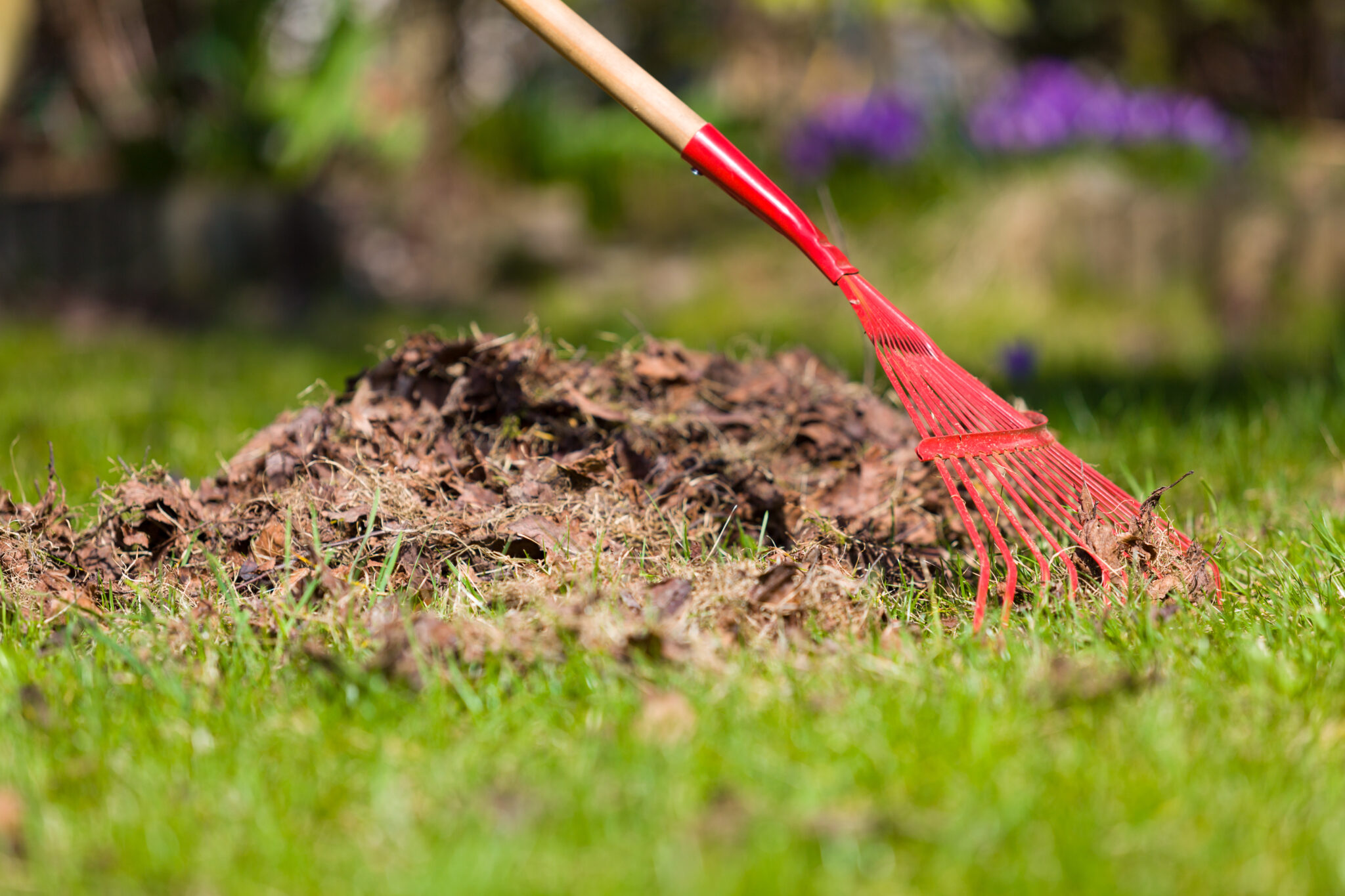
What Spring Yard Cleanup Actually Involves in Lincoln, NE
Spring cleanup isn’t just raking leaves. For Lancaster County yards, the full scope of work typically includes:
- Removing leaf and debris buildup that has matted down over winter
- Cutting back ornamental grasses and perennials left standing through the cold months
- Dethatching cool-season lawns to remove the dead organic layer that blocks water and nutrients
- Applying pre-emergent herbicide — timing this correctly is the most critical task of the season
- Cleaning out and edging landscape beds
- Pruning shrubs that bloom on new growth (those get cut before growth starts)
- Checking for winter damage: heaving, vole runs, salt damage near driveways, and freeze-thaw cracking on hardscapes
- First mow of the season, once soil has firmed up and grass is actively growing
The order and timing of these tasks matters. Getting the sequence wrong — like aerating before pre-emergent breaks down, or mowing before soil firms up — can create problems that take months to undo.
Timing: Nebraska’s Climate Makes This More Specific Than You’d Think
Lincoln sits in USDA hardiness zones 5b and 6a depending on where you are in the city. That matters because it means your window for certain tasks is narrower than it would be further south — but longer than what northern Nebraska homeowners deal with.
Here’s a rough seasonal schedule for Lincoln spring cleanup:
- Late February to mid-March: Clean up matted leaves and debris as soon as the ground firms. Don’t wait for “perfect” spring weather — this work can happen on a 45-degree day.
- Mid-March to early April: Apply pre-emergent herbicide before soil temperatures hit 50°F consistently. In Lancaster County, that window typically falls between March 15 and April 10, though it shifts year to year. Missing it means crabgrass.
- April: Cut back ornamental grasses, prune shrubs, and edge beds. This is also when perennials start pushing growth, so you can see what made it through winter.
- Late April to May: Dethatch if needed, overseed thin spots, and begin the regular mowing schedule once grass is growing actively.
One note specific to Lincoln: the city’s air pollution code restricts open burning of yard waste, so bagging and hauling debris is part of the job — either to the curb for pickup or to a compost facility. That adds time and, if you’re hiring it out, cost.
The Case for DIY Spring Yard Cleanup in Lincoln
DIY spring cleanup makes sense for a specific kind of homeowner: someone with a manageable yard size (under a quarter-acre), the right equipment already on hand, and time available on weekends in March and April.
The tasks that are genuinely straightforward to DIY:
- Raking and bagging leaves — labor-intensive but not technically complicated
- Cutting back grasses and perennials — a pair of hedge shears or a reciprocating saw handles most of this
- Basic bed edging if you have a half-moon edger or a string trimmer
- First mow of the season — nothing special required
Where DIY Spring Cleanup Gets Complicated
A few tasks in the spring cleanup list look simple but have real consequences if you get them wrong.
Pre-emergent timing is the biggest one. Most homeowners apply it too late because they wait until the yard “looks like spring.” By then, crabgrass seeds are already germinating. Pre-emergent works by creating a chemical barrier in the soil before seeds sprout — not by killing existing plants. Miss the window and you’re hand-pulling all summer.
Lincoln’s clay soil creates a second complication. Clay holds moisture longer than sandy soils, which means the ground stays soft later into spring. Working on or mowing clay soil before it firms up causes compaction and ruts that last for months. Professionals who work Lincoln yards regularly understand this — first-time DIYers often don’t find out until the damage is done.
Dethatching is another task that’s easy to overdo. Cool-season lawns like the tall fescue and Kentucky bluegrass common in Lincoln don’t need aggressive dethatching every year. Running a power dethatcher over a lawn that didn’t need it stresses the grass heading into summer.
What to Expect from Professional Spring Cleanup Services in Lincoln, NE
Hiring spring cleanup services in Lincoln, NE means you’re paying for a crew with the right equipment, knowledge of local conditions, and the ability to knock out in a few hours what would take a homeowner a full weekend.
A full-service spring cleanup from a reputable Lincoln landscaper typically includes debris removal, bed cleanup and edging, cutting back ornamentals, applying pre-emergent herbicide, and a detailed property walkthrough for winter damage. Some companies also include the first mow or offer it as an add-on.
What Professional Spring Cleanup Costs in Lincoln
Pricing varies based on property size, how much debris accumulated over winter, and whether herbicide applications are included. Based on local market rates in Lancaster County:
- Small yards (under 5,000 sq ft): $150–$300 for basic debris removal and bed cleanup
- Average residential lots (5,000–10,000 sq ft): $300–$600 for a full cleanup package
- Larger properties or heavily landscaped yards: $600–$1,200+, depending on scope
- Pre-emergent application (standalone): $75–$175 depending on yard size
- Debris hauling/disposal: Often included, but ask — some companies charge extra for heavy loads
These ranges are specific to the Lincoln market. National averages you’ll find on Google are often lower because they include markets with cheaper labor rates. Expect Lincoln prices to fall in the mid-to-upper end of any national estimate you see.
What a Lawn Care Professional Brings That a Homeowner Doesn’t
Beyond time savings, there are a few specific things professional spring cleanup services bring to the job:
- Soil temperature monitoring: Knowing the right day to put down pre-emergent isn’t a guess — experienced crews track soil temps and know Lincoln’s patterns from year to year.
- Commercial equipment: A truck-mounted debris vac, commercial mowers calibrated to the right height for spring, and power edgers deliver a result that’s difficult to match with residential equipment.
- Clay soil experience: Lincoln’s heavy clay soil has specific rules about when to work it and when to stay off. A local crew that has worked Lancaster County yards for years understands this from experience.
- Eye for damage: Winter does different things in different yards. A professional crew will flag vole runs, heaved perennials, grubs, and areas that need overseeding before those problems compound.
How to Decide: DIY or Hire Out?
The honest answer is that most Lincoln homeowners end up doing a hybrid. They handle the straightforward labor — raking, basic bed work, first mow — and hire out the specialty tasks: pre-emergent application, dethatching, and anything involving equipment they don’t own.
Hire a professional if:
- Your yard is over a quarter-acre and you don’t have a full weekend free in March
- You’ve had crabgrass problems in past years and want the pre-emergent timed correctly
- You have significant landscape beds with ornamental grasses, perennials, and shrubs that need specific pruning
- Your property has clay soil drainage issues or areas that collected standing water over winter
- You want a guaranteed result before the growing season starts
DIY makes sense if:
- Your yard is small and mostly lawn — minimal beds, no large ornamental plantings
- You already have the right tools (leaf blower, rake, edger, spreader for pre-emergent)
- You’re willing to track soil temps and apply pre-emergent at the right time
- You don’t mind spending two to three weekends on it in March and April
Questions to Ask a Lincoln Spring Cleanup Service Before You Hire
Not all lawn care companies operating in Lincoln have the same depth of local experience. Before signing up for spring cleanup services, ask:
- Do you monitor soil temperatures before applying pre-emergent, or do you go by date on the calendar?
- How do you handle debris disposal — is hauling included in your quote or billed separately?
- Do you adjust your schedule if we get a late freeze or wet spring that delays soil firmness?
- What do you do if you find signs of grubs, voles, or other damage during the cleanup?
- Is pre-emergent application included or an add-on?
A company that knows Lincoln will answer these questions specifically — not generically. If you get vague answers about timing, that’s worth noting.
Why Booking Spring Cleanup Services in Lincoln Early Matters
Lincoln lawn care companies fill up fast in March. The combination of a short pre-emergent window and high demand from homeowners trying to get ahead of the season means the best companies are often booked two to three weeks out by the time most people start calling.
If you’re planning to hire out spring cleanup services in Lincoln, NE this year, early February contact gives you the most flexibility on scheduling. Waiting until you can see green grass usually means you’re already behind.
Priority Lawn and Landscape: Spring Cleanup Services in Lincoln, NE
Priority Lawn and Landscape has worked Lancaster County yards for years. We know Lincoln’s clay soil, Nebraska’s unpredictable spring weather, and the specific timing that makes pre-emergent and early-season work effective here.
Our spring cleanup services include debris removal, bed cleanup and edging, ornamental pruning, pre-emergent application timed to soil temperature, and a full property assessment for winter damage. We handle the hauling — no extra charge for debris disposal.
Spring slots fill quickly. Contact us now to get on the schedule before the pre-emergent window opens.
EXCELLENT Based on 26 reviews
 Posted on Google
 Kelsey SlausonPosted on Google
 Amy JensenThank you Priority Lawn for taking care of my yard! I had lots of weeds and unwanted plants growing throughout my yard. I had contacted a few other places and found that they only spray weeds and do not dig them up. What a disappointment! Not only did Priority Lawn take care of them all they did a fantastic job!Posted on Google
 RyanPriority did a great job. Would recommend to anyonePosted on Google
 David MattinglyBryce was awesome from the design meeting throughout the project. Very professional and a great job on my new grill area on THANKSPosted on Google
 Barbara AndersonPosted on Google
 Alex SwiatekPosted on Google
 Diane HudsonExcellent, quality work. Very professional, knowledgeable, and skilled.! Excited to work with this company in the future!Posted on Google
 Tahner PHuge shoutout to Bryce and the whole Priority team who came out last week. Bryce was super helpful in figuring out the drainage issue we had going on and really gave us a good idea of what to expect and how it could be fixed. Also the quote was incredibly reasonable compared to many others we talked to. They did a great job getting the drainage done and we are already seeing a big difference in our yard. They also were awesome getting everything cleaned up. The biggest thing was how awesome they were to my 6 year old. He was so interested with what was going on, and they let him get involved and help out. For like 4-5 hours he was out there moving dirt and "helping." Hopefully it was not too much of a bother. Anyways, thanks a ton to the Bryce and his team!Posted on Google
 Sonja KroppWe are so pleased with the results of our landscaping project. Bryce provided us with invaluable suggestions, detailed (and reasonable) pricing estimates, and a timely schedule. His crew was very professional and attentive to last minute changes. Thank you!Posted on Google
 KIM KingI am so happy with Priority One! In just a few weeks, our yard is healthy, green, and growing! Our shrubs are beautifully thriving and trimmed. I am so excited for our landscaping project to begin very soon! Great customer service, attention to detail and knowledgeable! Thank you!Verified by TrustindexTrustindex verified badge is the Universal Symbol of Trust. Only the greatest companies can get the verified badge who has a review score above 4.5, based on customer reviews over the past 12 months. Read more
About the Author
