
How to Prepare Your Lawn for Spring in Lincoln, Nebraska
After a long Nebraska winter, your lawn needs some attention before it can thrive in the warmer months ahead. Spring lawn prep in Nebraska looks a little different than it does in other parts of the country. Our winters are cold, our springs are unpredictable, and our soil has its own quirks that affect how grass recovers and grows.
If you live in Lincoln or elsewhere in eastern Nebraska, the good news is that a little effort in March and April goes a long way. The steps you take now will determine whether your lawn struggles through summer or stays thick, green, and healthy all season long.
This guide covers everything you need to know about lawn care in spring for Lincoln homeowners and anyone else in the region. We will walk through timing, cleanup, soil health, mowing, watering, weed control, and when it makes sense to call in a professional.
Understanding Nebraska's Spring Weather and Your Lawn
Nebraska sits in USDA Hardiness Zones 5a and 5b, which means our winters regularly dip below zero and our last frost dates can stretch into late April or even early May. This affects when you should start working on your lawn and what tasks make sense at different points in the season.
Most lawns in Lincoln and the surrounding areas consist of cool-season grasses like Kentucky bluegrass, tall fescue, and perennial ryegrass. These grasses go dormant during winter and start growing again when soil temperatures reach about 45 to 55 degrees Fahrenheit. In a typical year, this happens sometime in late March or early April around Lincoln.
The timing matters because starting too early can damage grass that has not fully broken dormancy, while waiting too long gives weeds a head start. Pay attention to what your lawn is telling you. When you see the first hints of green and the ground is no longer frozen or soggy, it is time to begin your spring lawn prep.
Step One: Clean Up Winter Debris
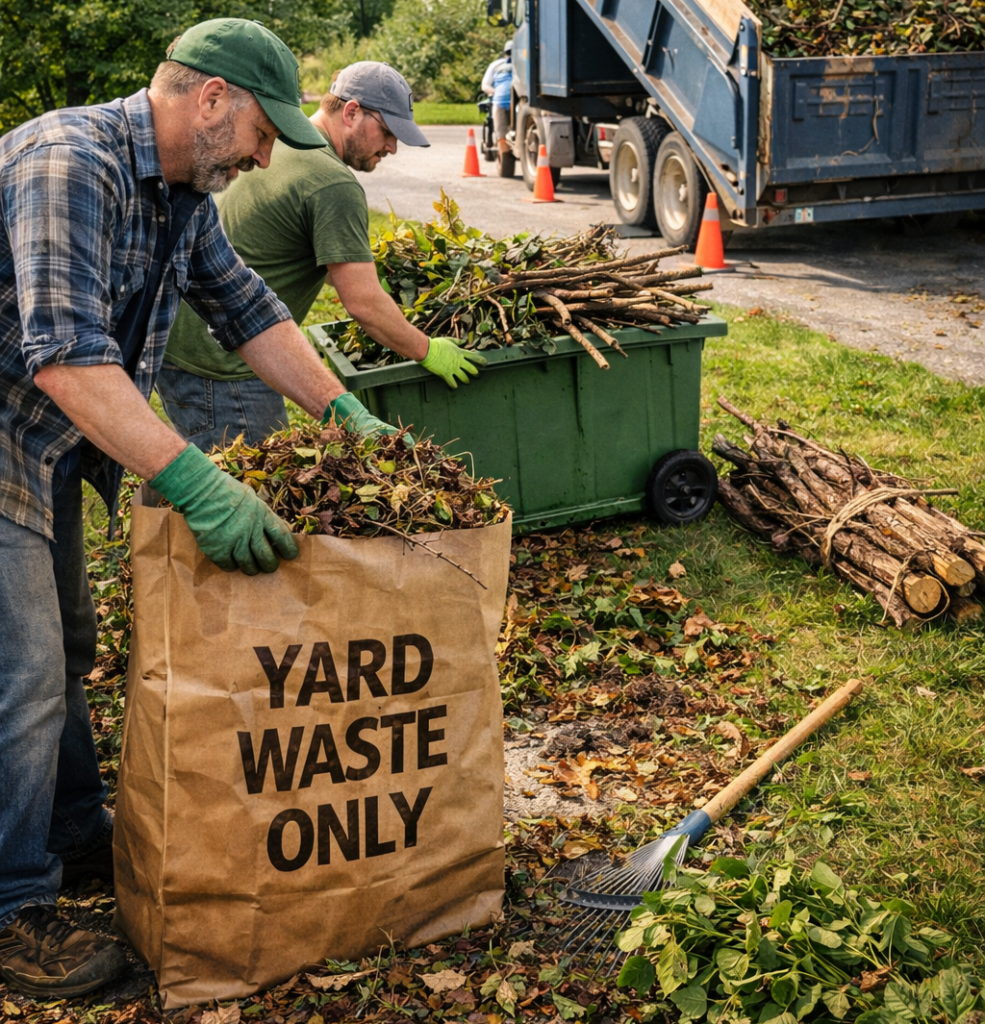
Before you do anything else, walk your property and remove anything that has accumulated over winter. This includes fallen branches, leftover leaves, trash that blew in, and any items you left outside last fall. Debris blocks sunlight and traps moisture against the grass, which can lead to disease and bare spots.
Pay special attention to areas where snow piled up against fences or buildings. These spots often have matted grass and extra debris underneath. Rake gently to lift matted areas without pulling up grass roots. If you had ice melt or salt applied near walkways and driveways, rinse those areas with water to dilute any residue that could harm the grass.
Lincoln homeowners should also check for damage from snow plows or shovels along the edges of driveways and sidewalks. These areas often need extra attention or even reseeding later in the spring.
Step Two: Assess Winter Damage and Bare Spots
Once the debris is cleared, take a careful look at your entire lawn. Note any areas where the grass looks thin, brown, or completely dead. Common causes of winter damage in Nebraska include ice damage, snow mold, vole tunnels, and desiccation from cold, dry winds.
Snow mold appears as circular patches of matted, gray or pink grass. It usually clears up on its own as the weather warms and the lawn dries out, but raking the affected areas helps speed recovery. Vole damage shows up as shallow tunnels or runways through the grass where these small rodents traveled under the snow. Light raking and overseeding typically fixes this.
For bare spots larger than a few inches across, plan to reseed once soil temperatures are consistently above 50 degrees. Small spots often fill in on their own as surrounding grass spreads, but larger areas need help.
Step Three: Test and Improve Your Soil
Healthy grass starts with healthy soil, and Nebraska soils vary widely depending on where you live. Lincoln and Lancaster County generally have clay-heavy soils that can become compacted over time. This compaction makes it harder for water, air, and nutrients to reach grass roots.
A soil test tells you exactly what your lawn needs. The University of Nebraska-Lincoln Extension offers affordable soil testing services that measure pH, nutrient levels, and organic matter content. Most lawns in this area do best with a pH between 6.0 and 7.0. If your soil is too acidic or too alkaline, grass cannot efficiently absorb the nutrients you apply, no matter how much fertilizer you use.
Based on your soil test results, you might need to add lime to raise pH, sulfur to lower it, or specific nutrients to address deficiencies. Making these corrections in spring gives your lawn the foundation it needs for the growing season ahead.
Step Four: Aerate Compacted Soil
If your lawn sees heavy foot traffic, has clay soil, or has not been aerated in a few years, spring is a good time to address compaction. Core aeration removes small plugs of soil from the lawn, creating channels for air, water, and nutrients to penetrate deeper into the root zone.
The best time to aerate cool-season lawns in Nebraska is early spring before active growth begins, or in the fall. If you aerate in spring, do it early enough that the lawn has time to recover before summer heat arrives. For most Lincoln area lawns, this means aerating in late March or early April when the ground has thawed but before the grass is growing vigorously.
You can rent a core aerator from most equipment rental stores, or hire a lawn care company to handle it for you. The plugs left on the lawn will break down within a couple of weeks and actually add beneficial organic matter back to the soil.
Step Five: Apply Pre-Emergent Weed Control
Crabgrass and other annual weeds are among the biggest lawn problems in Lincoln and across Nebraska. These weeds germinate when soil temperatures reach about 55 degrees at a depth of four inches, which typically happens in mid to late April in our area.
Pre-emergent herbicides work by creating a barrier in the soil that prevents weed seeds from germinating. Timing is critical. Apply too early and the product breaks down before weed seeds sprout. Apply too late and the weeds are already growing, making the treatment ineffective.
A helpful rule of thumb is to apply pre-emergent when forsythia bushes in your area start blooming, which happens around the same time soil temperatures reach the critical threshold. In Lincoln, this usually falls in the first or second week of April, though it varies year to year depending on weather patterns.
One important note: if you plan to overseed bare spots, most pre-emergent products will also prevent grass seed from germinating. You will need to choose between weed prevention and reseeding in those areas, or use a product specifically labeled as safe for use with new grass seed.
Step Six: Fertilize at the Right Time
Spring fertilization is one of the most debated topics in lawn care. Some experts recommend a light application in early spring, while others suggest waiting until late spring or even skipping spring fertilizer entirely in favor of fall applications.
For Nebraska lawns, a balanced approach works well. If your lawn is thin or recovering from winter damage, a light application of slow-release nitrogen fertilizer in late April or early May can help thicken it up. Use about half the rate you would apply in fall. Too much nitrogen in spring encourages rapid blade growth at the expense of root development, which leaves grass vulnerable to summer stress.
If your lawn is already thick and healthy, you might skip spring fertilizer altogether and focus your efforts on fall instead. Fall fertilization builds strong roots and helps grass store energy for winter, which leads to a better spring green-up the following year.
Whatever you choose, base your fertilizer selection on your soil test results. Applying nutrients your lawn does not need wastes money and can contribute to water pollution when excess fertilizer runs off into storm drains and waterways.
Step Seven: Start Mowing Correctly
Once your grass starts growing, it is time to dust off the mower. Before your first cut of the season, make sure your mower blade is sharp. A dull blade tears grass instead of cutting it cleanly, which stresses the plant and creates entry points for disease.
For the first mowing of spring, you can cut slightly lower than usual to remove dead blade tips and encourage new growth. After that initial cut, raise your mower height. Cool-season grasses in Nebraska should be mowed at 3 to 4 inches tall throughout the growing season. Taller grass shades the soil, which helps retain moisture and prevents weed seeds from germinating.
Follow the one-third rule: never remove more than one-third of the grass blade in a single mowing. If your lawn gets away from you and grows too tall, bring it back down gradually over multiple mowings rather than scalping it all at once.
Leave grass clippings on the lawn unless they are so thick that they smother the grass underneath. Clippings break down quickly and return valuable nutrients to the soil, reducing your fertilizer needs.
Step Eight: Establish Good Watering Habits
Spring in Nebraska often brings enough rain that supplemental watering is not necessary. However, dry spells do happen, and establishing good watering habits early sets you up for success when summer heat arrives.
When you do need to water, aim for deep and infrequent irrigation rather than light, frequent watering. Most lawns need about one inch of water per week, either from rain or irrigation. Deep watering encourages roots to grow deeper into the soil, which makes grass more drought-tolerant.
Water early in the morning when temperatures are cooler and wind is calmer. This reduces evaporation and gives grass blades time to dry before evening, which helps prevent fungal diseases. Avoid watering in the evening, as wet grass overnight creates ideal conditions for disease development.
If you have an irrigation system, spring is the time to turn it back on and check for any damage that occurred over winter. Look for broken heads, leaks, and coverage gaps. Adjust your watering schedule based on actual weather conditions rather than setting it and forgetting it.
Step Nine: Address Thatch Buildup
Thatch is a layer of dead grass stems, roots, and other organic material that accumulates between the soil surface and the living grass blades. A thin layer of thatch, up to about half an inch, is actually beneficial. It insulates roots and helps the soil retain moisture.
Problems arise when thatch gets thicker than half an inch. Excessive thatch prevents water and nutrients from reaching the soil, creates a habitat for insects and disease, and can cause grass to root into the thatch layer rather than the soil. This makes lawns more vulnerable to drought and temperature stress.
To check your thatch layer, cut a small wedge out of your lawn and measure the brown, spongy layer between the green grass and the soil. If it is more than half an inch thick, consider dethatching. For cool-season lawns in Nebraska, early fall is the ideal time to dethatch, but spring works if the problem is severe.
Core aeration helps reduce thatch over time by introducing soil microbes that break down organic matter. If your thatch problem is not severe, regular aeration may be all you need.
Step Ten: Overseed Thin or Bare Areas
If your assessment in step two revealed thin areas or bare spots, overseeding fills them in with new grass. Spring overseeding can be successful in Nebraska, though fall is generally preferred because young grass has more time to establish before facing summer stress.
For spring overseeding, timing matters. Wait until soil temperatures are consistently above 50 degrees but finish early enough that new grass can develop strong roots before hot weather arrives. In the Lincoln area, this window typically runs from mid-April through mid-May.
Choose a grass seed blend suited to your conditions. For sunny areas, Kentucky bluegrass and perennial ryegrass blends work well. For shady spots, look for fine fescue varieties. Tall fescue is a good all-around choice that handles both sun and partial shade while tolerating drought better than bluegrass.
Prepare the soil by raking to remove debris and roughing up the surface so seed makes good contact. Spread seed at the rate recommended on the package, then lightly rake again to cover the seed with a thin layer of soil. Keep the seeded areas consistently moist until the new grass is established, which usually takes two to three weeks for germination and another few weeks for the grass to fill in.
Common Spring Lawn Problems in Lincoln and Eastern Nebraska
Even with the best care, you may encounter some problems as your lawn wakes up from winter dormancy. Here are the most common issues Lincoln area homeowners face and how to address them.
Snow Mold
This fungal disease appears as circular patches of matted, grayish or pinkish grass after snow melts. It develops under snow cover, especially in areas where snow piles up. Light raking and improved air circulation usually resolve the problem as the lawn dries out. Severe cases may need fungicide treatment.
Vole Damage
Voles are small rodents that tunnel through lawns under snow cover, leaving visible surface runways when the snow melts. The damage looks worse than it usually is. Light raking and overseeding typically repairs the damage within a few weeks.
Salt Damage
Areas along sidewalks and driveways where ice melt was applied often show brown, dead grass in spring. Flush these areas with water to dilute the salt concentration, then reseed once the soil is clear.
Compacted Soil
Heavy clay soils in the Lincoln area compact easily, especially in high-traffic areas. Signs include water pooling on the surface, thin grass, and excessive weed growth. Core aeration is the solution.
Early Weed Growth
Dandelions, henbit, and other early weeds often appear before your grass fully greens up. Spot treat with a post-emergent herbicide or hand-pull small populations. These early weeds are actually easier to control than summer weeds like crabgrass.
Creating a Spring Lawn Care Timeline for Lincoln
Putting all these steps into a practical timeline helps ensure you tackle each task at the right time. Here is a general schedule for spring lawn prep in Nebraska, though exact timing varies based on weather conditions each year.
Late March to Early April
Clean up debris and assess winter damage. Rake matted areas gently. Test your soil if you have not done so recently. Sharpen your mower blade and tune up your equipment.
Early to Mid April
Apply pre-emergent herbicide when forsythia blooms or soil temperatures reach 55 degrees at four inches deep. Aerate if your lawn needs it. Start mowing when grass begins active growth, typically when it reaches about three inches tall.
Mid to Late April
Begin overseeding bare spots once soil temperatures are consistently above 50 degrees. Spot treat early broadleaf weeds. Apply soil amendments based on soil test results.
May
Apply light fertilizer if your lawn needs it. Establish regular mowing at the proper height. Set up irrigation system and check for problems. Monitor for pest and disease issues.
For a complete lawn care schedule, see our blog: Nebraska Lawn Care Schedule
When to Call a Professional
Many homeowners handle spring lawn prep themselves, and the steps outlined above are all achievable with basic equipment and some time investment. However, there are situations where professional help makes sense.
Consider calling a lawn care professional if your lawn has extensive damage that needs diagnosis, you are dealing with persistent disease or pest problems, you need core aeration or dethatching but do not want to rent equipment, your irrigation system needs repair or adjustment, or you simply do not have time to give your lawn the attention it needs.
A professional lawn care company can also create a customized treatment plan based on your specific lawn conditions, soil type, and goals. This takes the guesswork out of fertilization timing, product selection, and application rates.
Getting Your Nebraska Lawn Ready for a Great Season
Spring lawn prep in Nebraska does not have to be overwhelming. By breaking it down into manageable steps and tackling each task at the right time, you set your lawn up for success throughout the growing season.
The key is working with your lawn rather than against it. Pay attention to what your grass is telling you, time your efforts based on soil temperature and growing conditions rather than the calendar alone, and resist the temptation to do too much too soon.
For Lincoln homeowners and anyone else in eastern Nebraska, lawn care in spring sets the tone for the entire year. A little effort now means less work fighting problems later, and a thick, healthy lawn that you can enjoy all summer long.
If you have questions about your specific lawn situation or need help getting your property ready for spring, Priority Lawn and Landscape is here to help. Our team understands Nebraska lawns and can provide the services and guidance you need for a beautiful, healthy yard.
EXCELLENTTrustindex verifies that the original source of the review is Google. Priority did a great job. Would recommend to anyonePosted onTrustindex verifies that the original source of the review is Google. Bryce was awesome from the design meeting throughout the project. Very professional and a great job on my new grill area on THANKSPosted onTrustindex verifies that the original source of the review is Google. Posted onTrustindex verifies that the original source of the review is Google. Posted onTrustindex verifies that the original source of the review is Google. Excellent, quality work. Very professional, knowledgeable, and skilled.! Excited to work with this company in the future!Posted onTrustindex verifies that the original source of the review is Google. Huge shoutout to Bryce and the whole Priority team who came out last week. Bryce was super helpful in figuring out the drainage issue we had going on and really gave us a good idea of what to expect and how it could be fixed. Also the quote was incredibly reasonable compared to many others we talked to. They did a great job getting the drainage done and we are already seeing a big difference in our yard. They also were awesome getting everything cleaned up. The biggest thing was how awesome they were to my 6 year old. He was so interested with what was going on, and they let him get involved and help out. For like 4-5 hours he was out there moving dirt and "helping." Hopefully it was not too much of a bother. Anyways, thanks a ton to the Bryce and his team!Posted onTrustindex verifies that the original source of the review is Google. We are so pleased with the results of our landscaping project. Bryce provided us with invaluable suggestions, detailed (and reasonable) pricing estimates, and a timely schedule. His crew was very professional and attentive to last minute changes. Thank you!Posted onTrustindex verifies that the original source of the review is Google. I am so happy with Priority One! In just a few weeks, our yard is healthy, green, and growing! Our shrubs are beautifully thriving and trimmed. I am so excited for our landscaping project to begin very soon! Great customer service, attention to detail and knowledgeable! Thank you!Posted onTrustindex verifies that the original source of the review is Google. Great service and quick response when we need somethingPosted onTrustindex verifies that the original source of the review is Google. They did the job exactly as promised and cleaned up nicely when finished. Well pleased.Verified by TrustindexTrustindex verified badge is the Universal Symbol of Trust. Only the greatest companies can get the verified badge who has a review score above 4.5, based on customer reviews over the past 12 months. Read more
