
Pergola Installation in Lincoln
Extend Your Outdoor Living Season
Lincoln homeowners know the challenge all too well. Our Nebraska summers bring temperatures that can make backyard time uncomfortable, while spring and fall offer beautiful weather that often goes underutilized. The solution? A well-designed pergola or shade structure that transforms your outdoor space into a year-round destination.
If you’ve been searching for pergola installation in Lincoln, NE, or researching shade structures in Lincoln, Nebraska, you’re already on the right track. These additions do more than just block the sun—they create defined outdoor rooms, add architectural interest to your landscape, and can significantly increase your home’s value.
This guide covers everything you need to know about choosing, planning, and installing the right structure for your backyard.
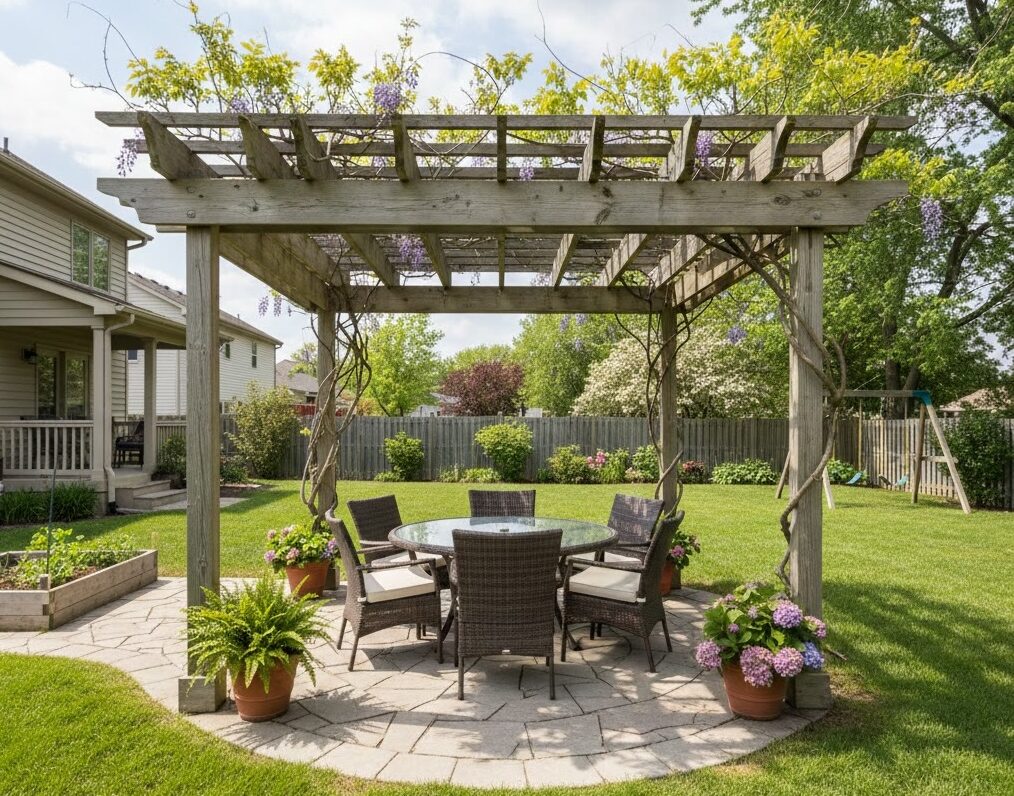
Why Lincoln Homeowners Need Shade Structures
Lincoln’s climate presents a unique set of conditions that make shade structures particularly valuable. Summer highs regularly climb into the 90s, with heat indices pushing even higher. Direct sun exposure on patios and decks can make surfaces too hot to touch, driving families indoors during the best parts of the day.
But heat isn’t the only factor. Lincoln sees an average of 214 sunny days per year—well above the national average. That’s a lot of potential outdoor time that goes to waste without proper shade. A pergola or shade structure lets you reclaim those hours, creating comfortable spaces for morning coffee, afternoon reading, or evening gatherings.
The practical benefits extend through the shoulder seasons too. A covered structure provides protection from light rain, allowing you to enjoy your patio from April through October instead of just the summer months. Some homeowners add heaters or fire pits beneath their pergolas, extending usability even further into fall and early spring.
Types of Shade Structures for Lincoln Backyards
When exploring shade structures in Lincoln, Nebraska, you’ll encounter several options. Each has distinct advantages depending on your goals, budget, and existing landscape.
Traditional Pergolas
The classic pergola features an open-lattice roof supported by vertical posts. This design originated in ancient gardens and remains popular for good reason. The crossbeam pattern creates partial shade while maintaining an airy, open feel. Sunlight filters through the gaps, creating dappled patterns that shift throughout the day.
Traditional pergolas work exceptionally well in Lincoln because they don’t trap heat like solid structures can. Air circulates freely, providing natural cooling. Many homeowners enhance their pergolas by training climbing plants like wisteria, clematis, or grape vines along the beams. As these plants mature, they add greenery overhead and increase shade coverage naturally.
Wood remains the most common material for traditional pergolas, with cedar and pressure-treated pine being popular choices for Lincoln’s climate. Cedar naturally resists rot and insects, while pressure-treated lumber offers durability at a lower price point.
Louvered Pergolas
Louvered pergolas represent the next evolution in outdoor shade. Instead of fixed beams, these structures feature adjustable slats that rotate to control sunlight and airflow. With a simple mechanism—often motorized—you can go from full sun to complete shade in seconds.
This flexibility makes louvered pergolas ideal for Lincoln’s variable weather. Open the louvers on pleasant spring mornings to enjoy the sun, then close them when temperatures climb in July. During light rain, closed louvers create a waterproof ceiling. Some systems even integrate LED lighting and heating elements into the frame.
The trade-off is cost. Louvered systems typically run two to three times the price of traditional pergolas due to their engineering and moving parts. However, for homeowners who prioritize maximum usability, the investment often pays off in extended outdoor time.
Pavilions and Covered Structures
Pavilions take a different approach by providing a fully covered roof. Think of them as freestanding outdoor rooms with complete overhead protection. The solid roof blocks both sun and rain entirely, making pavilions the go-to choice for outdoor kitchens, hot tub enclosures, or entertainment spaces with electronics.
In Lincoln, pavilions need careful design consideration. A solid roof can trap hot air without proper ventilation, so we typically recommend cupolas, ridge vents, or ceiling fans to promote airflow. The roof pitch also matters—steeper slopes shed rain and snow more effectively, an important factor given our occasional severe weather.
Materials for pavilion roofs range from asphalt shingles that match your home to metal roofing that offers longevity and a modern look. Some homeowners opt for polycarbonate panels that provide protection while allowing filtered light through.
Shade Sails
For a more contemporary aesthetic, shade sails offer an architectural statement. These tensioned fabric panels stretch between anchor points to create geometric shade patterns. The result looks striking—almost like sculptures suspended above your patio.
Shade sails work well in Lincoln when properly installed. High-quality commercial-grade fabric resists UV damage, fading, and mildew. The key is proper tensioning and the ability to remove them before major storms. Unlike permanent structures, sails should be taken down when high winds threaten—a reasonable trade-off for their lower cost and visual impact.
Multiple sails can be layered at different angles to increase coverage and create visual interest. Some homeowners combine shade sails with a smaller pergola, using the sails to extend shade beyond the structure’s footprint.
Planning Your Pergola Installation in Lincoln, NE
Successful pergola installation starts long before the first post goes in the ground. Proper planning ensures your structure meets local requirements, fits your space, and delivers the results you’re hoping for.
Lincoln Building Permits and Codes
The City of Lincoln requires building permits for most permanent structures, including pergolas over a certain size. Generally, structures exceeding 200 square feet or those attached to your home will need a permit. The application process involves submitting plans that show dimensions, materials, and setbacks from property lines.
Setback requirements determine how close your structure can sit to property boundaries. In most Lincoln residential zones, a minimum setback of five feet from side and rear property lines applies. Corner lots and properties in historic districts may have additional restrictions.
Before starting any pergola installation in Lincoln, NE, we recommend checking with the Lincoln-Lancaster County Planning Department. When you work with Priority Lawn and Landscape, we handle permit applications and ensure all work meets current codes.
Choosing the Right Location
Where you place your shade structure dramatically affects how much you’ll use it. Start by observing your yard at different times of day. Where does the sun hit hardest in the afternoon? Which areas catch evening breezes? Where do you naturally gravitate when spending time outside?
Consider proximity to your house. A pergola near the back door sees more use because it’s convenient. You’re more likely to take your morning coffee under a shaded structure that’s just steps away than one at the far end of the yard. If you entertain frequently, positioning near your kitchen makes serving easier.
Underground utilities present another crucial consideration. Gas lines, water mains, and electrical conduits can all interfere with post installation. Always call 811 before any digging to have utilities marked. In older Lincoln neighborhoods, unexpected lines are more common than you might think.
Trees and existing landscaping also factor into placement. A pergola positioned to work with mature trees can benefit from additional natural shade. But be cautious about placing structures too close to large trees—root systems can shift foundations, and falling branches pose risks during storms.
Size and Scale Considerations
One of the most common mistakes homeowners make is building too small. A pergola that looks substantial in photos can feel cramped once you add furniture. As a general rule, plan for at least 10 feet by 12 feet if you want space for a dining table and chairs. For lounge-style seating arrangements, 12 by 14 feet provides comfortable room.
Height matters too. Standard pergola heights range from 8 to 10 feet at the lowest point. Higher ceilings create a more open feel and allow better air circulation, but can feel disconnected from the surrounding space. Lower ceilings feel more intimate but may feel oppressive in hot weather. For most Lincoln backyards, 9 feet strikes a good balance.
Think about scale relative to your home. A massive pergola can overwhelm a modest ranch house, while a small structure might look out of place against a two-story colonial. We typically recommend shade structures proportioned to complement your home’s architecture, not compete with it.
Material Options for Nebraska Weather
Lincoln’s weather tests outdoor materials. We experience hot summers, cold winters, ice storms, and everything in between. The materials you choose for your shade structure need to handle this full range without excessive maintenance.
Wood Pergolas
Wood remains the most popular choice for pergola installation in Lincoln, NE. It’s readily available, relatively affordable, and offers a warm, natural appearance that complements most home styles.
Cedar leads the pack for wood pergolas. Its natural oils resist rot, decay, and insect damage without chemical treatment. Cedar weathers to an attractive silver-gray if left natural, or takes stain beautifully if you prefer a specific color. The wood is stable, meaning it resists warping and checking better than many alternatives. Cedar pergolas typically last 15 to 20 years with basic maintenance.
Pressure-treated pine costs significantly less than cedar while offering good durability. Modern treatment processes have improved dramatically, and today’s treated lumber contains far fewer concerning chemicals than older formulations. With regular sealing or staining, pressure-treated pergolas can last 15 years or more. The main drawback is that treated wood sometimes develops cracks and warping as it ages.
Redwood and tropical hardwoods like ipe offer superior longevity but at premium prices. These dense woods can last 25 years or longer with minimal care. However, availability in Lincoln can be limited, and costs often run three to four times higher than cedar.
Vinyl and Composite Materials
Vinyl pergolas appeal to homeowners who want minimal maintenance. The material never needs painting or staining, won’t rot or attract insects, and cleans easily with soap and water. Modern vinyl comes in realistic wood-grain finishes that look surprisingly natural from a distance.
The downsides of vinyl relate to appearance and structure. Up close, vinyl reads as synthetic. The material also has less structural strength than wood or aluminum, often requiring internal reinforcement or limiting spans between posts. Extreme temperature swings—common in Lincoln—can cause expansion and contraction that leads to creaking or loosening over time.
Composite materials combine wood fibers with plastic polymers to create products that resist rot while maintaining some wood-like characteristics. Composite decking brands like Trex and TimberTech have expanded into pergola components. These products work well for beams and rafters, though they typically still require wood or aluminum posts for structural support.
Aluminum Structures
Aluminum offers the ultimate in low maintenance. It won’t rust, rot, warp, or attract pests. Powder-coated finishes come in numerous colors and hold up well to UV exposure. Aluminum structures can span longer distances with thinner members, creating sleeker profiles than wood allows.
Most louvered pergola systems use aluminum for their adjustable roof panels. The material’s lightweight nature makes motorized operation practical. High-end aluminum pergolas often integrate seamlessly with outdoor kitchens and modern home architecture.
Cost is the primary barrier. Aluminum pergolas and shade structures typically run 50% to 100% more than comparable wood structures. For homeowners prioritizing longevity and minimal upkeep, however, the higher upfront investment often makes sense over a 20-year ownership period.
Design Elements That Make a Difference
Beyond basic structure and materials, several design decisions influence how much you enjoy your shade structure.
Roof Orientation
The direction your pergola rafters run affects shade throughout the day. East-west oriented rafters provide more shade during peak afternoon hours when the sun sits lower in the western sky. North-south orientation distributes shade more evenly from morning to evening.
For maximum afternoon shade—when Lincoln temperatures hit their daily highs—we generally recommend east-west rafter orientation. The crossbeams catch more of the intense western sun that can make summer evenings uncomfortable.
Integrated Lighting
Planning for lighting during construction saves headaches later. Running electrical conduit through posts during installation costs far less than retrofitting after the structure is complete.
Popular lighting options for pergolas include string lights woven through the rafters for ambient glow, recessed fixtures in the beams for task lighting, and pendant lights for focused illumination over dining areas. LED options have improved dramatically, offering warm color temperatures that rival traditional bulbs while using a fraction of the energy.
Solar-powered options work for some applications, though Lincoln’s winter cloud cover can limit their reliability during shorter days. For consistent performance, hardwired fixtures remain the better choice.
Fans, Heaters, and Other Features
Outdoor ceiling fans dramatically improve comfort under a pergola. Moving air feels several degrees cooler than still air, and fans help keep mosquitoes at bay—a notable benefit during Lincoln’s muggy summer evenings. Wet-rated fans designed for outdoor use handle moisture exposure without issue.
For extending your season into cooler months, outdoor heaters offer several approaches. Ceiling-mounted infrared heaters warm efficiently without heating the surrounding air, making them practical even for open pergolas. Portable propane heaters provide flexibility but require fuel storage and have ongoing costs. Fire pits or fire tables combine heat with ambiance, creating natural gathering spots.
Built-in speakers, USB charging ports, and outdoor-rated electrical outlets add convenience. These elements transform a simple shade structure into a true outdoor room where you can work, relax, or entertain without heading inside for necessities.
The Pergola Installation Process
Understanding what goes into professional pergola installation helps you know what to expect and why quality work matters.
Foundation and Footings
Every lasting pergola starts with proper footings. In Lincoln, frost lines extend approximately 36 inches below grade. Footings must reach below this depth to prevent heaving during freeze-thaw cycles. Shallow footings might seem fine initially, but over several winters, the structure will shift and rack.
Concrete footings typically measure 12 to 18 inches in diameter, depending on the structure’s size and soil conditions. Sandy or loose soil requires larger footings than dense clay. A structural engineer or experienced installer can assess your soil and recommend appropriate sizing.
Post mounting methods vary based on preference and installation surface. For ground-level installations, posts can set directly into concrete within the footing or mount to post bases anchored in the concrete. Post bases keep wood above grade, extending lifespan by preventing ground contact rot. For deck-mounted pergolas, through-bolting to structural members or using specialty deck post brackets provides the necessary support.
Structural Assembly
With footings cured and posts set plumb, beam and rafter installation follows. Main beams span between posts and support the weight of the roof structure. These members need appropriate sizing for the span—undersized beams will sag over time.
Rafters cross the beams, typically spaced 16 to 24 inches on center depending on design and material. Hardware connections matter enormously here. Traditional notched joints look attractive but reduce structural integrity. Modern pergola construction often combines decorative notching with hidden metal connectors that provide actual load transfer.
For larger structures or those in exposed locations, cross-bracing adds stability. Knee braces between posts and beams resist racking forces from wind. This bracing can be decorative—curved or angled pieces that add visual interest while improving structure.
Timeline and Scheduling
Most pergola installations in Lincoln take between two and five days once work begins. Simple structures on existing patios complete faster. Complex projects involving electrical, foundations in challenging soil, or large footprints require more time.
The permit process typically adds two to four weeks to your timeline. Submitting plans early in your planning process keeps the project moving. During peak spring and summer months, contractor schedules fill quickly—booking several weeks out is common for established landscaping companies.
Weather impacts scheduling. Concrete shouldn’t pour when temperatures will dip below freezing within 48 hours. Heavy rain can delay excavation and footing work. Flexibility in timing helps ensure work happens under optimal conditions.
What Does Pergola Installation Cost in Lincoln?
Pricing for shade structures in Lincoln, Nebraska varies widely based on size, materials, and features. Understanding typical ranges helps you budget appropriately and evaluate quotes.
Basic pressure-treated wood pergolas measuring 10 by 12 feet typically start around $3,000 to $5,000 installed. This includes standard footings, posts, beams, and rafters with basic hardware. Larger sizes and cedar construction push this range to $5,000 to $8,000.
Mid-range projects incorporating upgraded materials, decorative details, and features like integrated lighting run $8,000 to $15,000. At this level, you’re getting custom design work, quality hardware, and attention to details that set the structure apart.
Premium installations—louvered aluminum systems, large pavilions with full roofing, or structures incorporating outdoor kitchens—can range from $15,000 to $50,000 or more. These projects often include electrical work, specialized engineering, and high-end finishes.
When comparing quotes, make sure you’re looking at similar specifications. The lowest bid often reflects shortcuts in materials or installation methods that compromise longevity. Ask specifically about footing depth, post sizing, hardware quality, and warranty coverage.
Maintaining Your Shade Structure
Regular maintenance keeps your pergola looking good and functioning properly for decades.
Wood structures benefit from annual inspection and treatment. Check all visible hardware for rust or loosening. Look for signs of rot at post bases and any spots where water might pool. Reapply stain or sealant every two to three years for cedar, or as recommended by your finish manufacturer. Pressure washing removes accumulated dirt and helps stain penetrate better.
Aluminum and vinyl structures need less maintenance but shouldn’t be ignored entirely. Wash periodically with mild soap and water to remove pollen, bird droppings, and environmental grime. Check mechanical components on louvered systems according to manufacturer guidelines—lubricating pivot points keeps operation smooth.
After severe storms, inspect your structure for damage. High winds can loosen connections or shift components. Ice accumulation can stress rafters. Addressing minor issues promptly prevents them from becoming major repairs.
Working with Priority Lawn and Landscape
Choosing the right contractor matters as much as choosing the right materials. Priority Lawn and Landscape brings local expertise to every pergola and shade structure project in Lincoln and surrounding communities.
We start every project with an on-site consultation. Walking your property together, we discuss your goals, assess site conditions, and identify any challenges that need addressing. This consultation is free and comes with no obligation.
Our design process considers your home’s architecture, existing landscaping, and how you actually use your outdoor space. We create detailed plans showing exactly what your finished structure will look like, including material specifications and pricing with no hidden costs.
Every installation follows best practices for Lincoln’s climate and conditions. We handle permit applications, utility locates, and inspections. Our crews show up when scheduled, keep your property clean during construction, and stand behind their work with meaningful warranties.
Ready to Extend Your Outdoor Season?
A well-designed pergola or shade structure transforms how you experience your backyard. Instead of retreating indoors when summer temperatures climb, you’ll have a comfortable outdoor destination. Spring and fall become prime seasons for outdoor living rather than brief transitions between extremes.
If you’re considering pergola installation in Lincoln, NE, or exploring shade structure options for your property, we’d welcome the chance to help. Contact Priority Lawn and Landscape for a free consultation. We’ll help you find the right solution for your space, your style, and your budget.
Your backyard has potential. Let’s make the most of it—together.
EXCELLENTTrustindex verifies that the original source of the review is Google. Bryce was awesome from the design meeting throughout the project. Very professional and a great job on my new grill area on THANKSPosted onTrustindex verifies that the original source of the review is Google. Posted onTrustindex verifies that the original source of the review is Google. Excellent, quality work. Very professional, knowledgeable, and skilled.! Excited to work with this company in the future!Posted onTrustindex verifies that the original source of the review is Google. Huge shoutout to Bryce and the whole Priority team who came out last week. Bryce was super helpful in figuring out the drainage issue we had going on and really gave us a good idea of what to expect and how it could be fixed. Also the quote was incredibly reasonable compared to many others we talked to. They did a great job getting the drainage done and we are already seeing a big difference in our yard. They also were awesome getting everything cleaned up. The biggest thing was how awesome they were to my 6 year old. He was so interested with what was going on, and they let him get involved and help out. For like 4-5 hours he was out there moving dirt and "helping." Hopefully it was not too much of a bother. Anyways, thanks a ton to the Bryce and his team!Posted onTrustindex verifies that the original source of the review is Google. We are so pleased with the results of our landscaping project. Bryce provided us with invaluable suggestions, detailed (and reasonable) pricing estimates, and a timely schedule. His crew was very professional and attentive to last minute changes. Thank you!Posted onTrustindex verifies that the original source of the review is Google. Great service and quick response when we need somethingPosted onTrustindex verifies that the original source of the review is Google. They did the job exactly as promised and cleaned up nicely when finished. Well pleased.Posted onTrustindex verifies that the original source of the review is Google. Posted onTrustindex verifies that the original source of the review is Google. We utilized the leaf cleanup service and were very pleased with their work! They had a very quick turnaround time, performed quality work, and were cheaper than all other competitors we checked with. They were thorough in getting all of our leaves and even got the leaves under our deck, behind our shed, and in our rock beds. Would highly recommend!Posted onTrustindex verifies that the original source of the review is Google. Bryce and his team did a wonderful job of adding color with new plantings to our garden area. He gave us a design of his suggested plantings before doing the work. We were able to view his ideas. Then make decisions. I highly recommend Bryce and will ask him to help us again. Debbie PattersonVerified by TrustindexTrustindex verified badge is the Universal Symbol of Trust. Only the greatest companies can get the verified badge who has a review score above 4.5, based on customer reviews over the past 12 months. Read more