
Paver Patio Installation in Lincoln, NE
Costs, Materials & Design Ideas
If you’re thinking about adding a paver patio to your Lincoln home, you’re making a smart investment. A well-built patio extends your living space, adds value to your property, and makes your home’s landscape a great spot to relax or entertain guests during Nebraska’s warm months. But before you start shopping for pavers or calling contractors, it helps to understand what goes into a patio installation project in our area. This guide covers everything Lincoln homeowners need to know about paver patio installation.
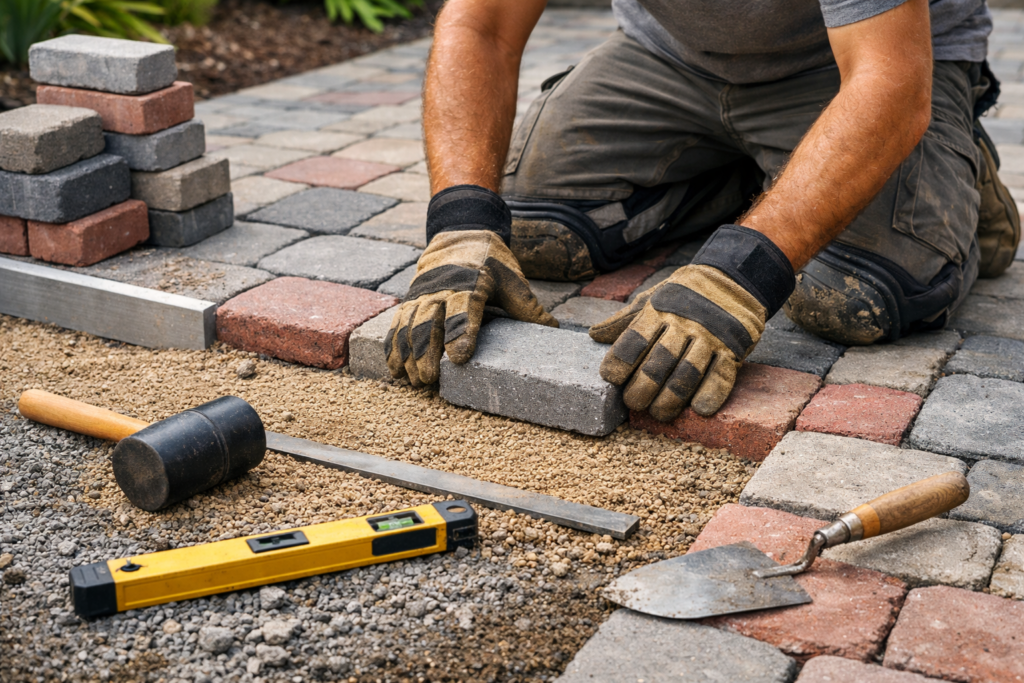
We’ll walk through typical costs, the most popular materials for our climate, design ideas that work well in Nebraska backyards, and what to expect during the installation process.
Why Lincoln Homeowners Choose Paver Patios
Paver patios have become the go-to choice for outdoor living spaces in Lincoln, and there are good reasons for that. Unlike poured concrete, pavers can handle Nebraska’s freeze-thaw cycles without cracking. When temperatures drop below freezing and then warm up again (which happens constantly during our winters), rigid concrete tends to crack and heave. Pavers, on the other hand, have small gaps between them that allow for natural expansion and contraction.
Beyond durability, pavers offer design flexibility that other materials simply can’t match. You can choose from dozens of colors, shapes, and patterns to create a patio that fits your home’s style. If a paver gets damaged years down the road, you can replace just that one piece instead of tearing out an entire slab.
Lincoln’s housing market also rewards outdoor improvements. Real estate agents in the area consistently report that well-designed patios help homes sell faster and often for higher prices. Whether you’re planning to stay in your home for decades or might sell in a few years, a paver patio is an upgrade that pays for itself.
Paver Patio Costs in Lincoln, Nebraska
One of the first questions homeowners ask is “how much will this cost?” The honest answer is that patio installation costs vary quite a bit depending on size, materials, and complexity. That said, we can give you realistic ranges based on what Lincoln contractors typically charge.
Basic Cost Breakdown
For a basic paver patio installation in Lincoln, most homeowners spend between $12 and $25 per square foot for materials and labor combined. That means a modest 200-square-foot patio typically runs between $2,400 and $5,000. A larger 400-square-foot patio might cost anywhere from $4,800 to $10,000.
These numbers assume a straightforward rectangular design with standard concrete pavers and basic site preparation. More elaborate projects cost more, which we’ll break down below.
Basic Cost Breakdown
Paver material choice: Standard concrete pavers are the most affordable option, usually $3 to $6 per square foot for the pavers alone. Natural stone like flagstone or bluestone can run $15 to $30 per square foot. Brick pavers fall somewhere in the middle at $5 to $15 per square foot.
Site conditions: If your yard has significant slope, poor drainage, or difficult access, expect to pay more for site preparation. Removing an old concrete slab or dealing with tree roots also adds to the cost. Lincoln’s clay-heavy soil can require extra base material in some areas.
Design complexity: A simple running bond pattern costs less to install than an intricate herringbone or circular design. Adding borders, multiple paver colors, or curved edges all increase labor time and therefore cost.
Additional features: Fire pits, built-in seating walls, outdoor kitchens, and lighting all add to your total investment. A basic fire pit might add $1,000 to $3,000, while a full outdoor kitchen could add $10,000 or more.
Size and scale: Larger patios often have a lower per-square-foot cost because setup and mobilization costs get spread across more area. However, your total investment obviously increases with size.
DIY vs. Professional Installation
Some handy homeowners consider installing pavers themselves to save money. While this can reduce costs by 40% to 60%, it’s important to be realistic about what’s involved. Paver installation requires proper excavation, precise grading for drainage, compacted base layers, and careful leveling. Mistakes in any of these steps can lead to uneven settling, poor drainage, or pavers that shift over time.
For small projects under 100 square feet, DIY can be reasonable if you’re willing to invest the time to learn proper techniques. For larger patios, most Lincoln homeowners find that professional installation provides better results and actually saves money in the long run by avoiding costly repairs.
Best Paver Materials for Lincoln's Climate
Not all paver materials perform equally well in Nebraska’s climate. We get hot summers, cold winters, and everything in between. Here’s what works best for patio installation in Lincoln.
Concrete Pavers
Concrete pavers are the most popular choice for Lincoln patios, and for good reason. Modern manufacturing creates pavers that look like natural stone or brick at a fraction of the cost. They’re engineered to handle freeze-thaw cycles, resist fading from UV exposure, and maintain their color for decades.
Look for concrete pavers rated for at least 8,000 PSI compressive strength. Most quality brands exceed this, but it’s worth checking. Tumbled concrete pavers have a slightly worn look that hides minor imperfections and gives an aged appearance that many homeowners prefer.
Brick Pavers
Clay brick pavers offer a classic look that complements traditional home styles common in Lincoln’s established neighborhoods. True clay pavers are extremely durable and naturally resistant to fading since the color goes all the way through the material.
The main consideration with brick is porosity. Low-absorption brick pavers (under 5% water absorption) handle freeze-thaw much better than porous varieties. Ask for the ASTM rating when shopping for brick pavers, and choose products rated for severe weather exposure.
Natural Stone
For homeowners willing to invest more, natural stone creates a stunning patio that’s truly one-of-a-kind. Flagstone, bluestone, and limestone are all options that work in Lincoln’s climate, though each has considerations.
Flagstone provides an organic, irregular look perfect for gardens and natural landscapes. Bluestone offers more uniform sizing with beautiful gray-blue coloring. Limestone is elegant but requires sealing to prevent staining and weathering.
Natural stone costs more upfront and may require more maintenance than manufactured pavers, but it offers unmatched beauty and typically lasts even longer than concrete options.
Permeable Pavers
Permeable pavers are gaining popularity in Lincoln, especially as the city has become more focused on stormwater management. These pavers allow rainwater to filter through the surface and into the ground below, reducing runoff and helping recharge groundwater.
While permeable systems cost more to install (typically 25% to 50% more than standard), they can eliminate the need for separate drainage systems and may help you meet Lincoln’s stormwater requirements for larger projects. Some homeowners also appreciate the environmental benefits.
Paver Patio Design Ideas for Nebraska Backyards
Your patio design should complement your home’s architecture, fit your lifestyle, and work with your yard’s existing features. Here are design ideas that work particularly well for Lincoln homes.
Classic Rectangle with Border
The most straightforward design is a rectangular patio with a contrasting border. This timeless approach works with virtually any home style and keeps costs reasonable. Use a darker border color to frame lighter field pavers, or vice versa. The border helps define the space and adds visual interest without complicated installation.
Multi-Level Patio
If your yard has natural slope, consider working with the terrain rather than against it. A multi-level patio creates distinct zones for different activities. You might have an upper level near the house for dining, steps down to a middle area for seating around a fire pit, and a lower level that transitions to the lawn.
This approach often costs less than extensive grading to create a single flat surface, and the result is more visually interesting.
Circular Fire Pit Patio
Nebraska evenings are perfect for gathering around a fire, and a circular patio design puts the fire pit at center stage. Radiating paver patterns draw the eye toward the center, and the round shape naturally encourages conversation. Add built-in curved seating walls to complete the look.
Extended Outdoor Living Room
Many Lincoln homeowners are creating true outdoor living spaces with defined areas for cooking, dining, and lounging. This might include a dedicated grilling area with counter space, a dining section with room for a large table, and a separate seating area with comfortable outdoor furniture.
Using different paver patterns or colors can help distinguish these zones while maintaining a cohesive overall design.
Pathway Integration
Think beyond the patio itself. Paver walkways connecting to garden areas, side yards, or detached garages extend your investment and create a more polished landscape. Matching or coordinating pavers between the patio and pathways ties everything together.
Popular Paver Patterns
The pattern you choose affects both the look and installation cost of your patio:
- Running bond is the simplest pattern, with pavers staggered like brickwork. It’s economical and classic.
- Herringbone creates interlocking angles that resist shifting. It’s excellent for high-traffic areas and driveways that see vehicle weight.
- Basketweave alternates pairs of pavers for a traditional look that works well with brick-style pavers.
- Random or ashlar patterns use multiple paver sizes for a natural stone appearance. They require more cutting and planning but create beautiful results.
- Circular patterns radiate from a center point, ideal for round patios or to highlight a focal feature like a fountain or fire pit.
The Patio Installation Process: What to Expect
Understanding the installation process helps you plan for your project and recognize quality workmanship. Here’s what happens during a professional paver patio installation in Lincoln.
Planning and Design
Before any digging begins, a good contractor will assess your site, discuss your goals, and help you choose appropriate materials. They should check for underground utilities (always call 811 before excavating), evaluate drainage patterns, and identify any potential challenges.
You’ll typically receive a detailed quote that specifies the scope of work, materials to be used, timeline, and total cost. Get this in writing before work begins.
Site Preparation
Proper site preparation is the foundation of a long-lasting patio. The crew will excavate the area to the required depth, typically 7 to 9 inches below the finished patio height. This allows room for base material, sand, and the pavers themselves.
Lincoln’s soil conditions often require extra attention during this phase. Clay soil doesn’t drain well, so contractors may need to excavate deeper or install drainage solutions. Grading at this stage ensures water flows away from your foundation rather than pooling on the patio.
Base Installation
The base is the most important part of a paver installation that you’ll never see. A typical installation uses 4 to 6 inches of compacted crushed stone or gravel. This layer must be spread evenly and compacted thoroughly with a plate compactor.
On top of the gravel base, installers add a 1-inch layer of coarse sand, screeded perfectly level. The sand provides a setting bed for the pavers and allows for minor adjustments during installation.
Paver Installation
With the base prepared, pavers go down relatively quickly. Installers work from one corner, laying pavers in the chosen pattern and maintaining consistent joint spacing. Border pavers and edge cuts are typically done last.
Quality installers check for level frequently and make adjustments as needed. Rushed installations that skip this step lead to uneven surfaces that collect water.
Edge Restraints and Joint Sand
Edge restraints are essential to prevent pavers from spreading apart over time. These are typically plastic or aluminum channels secured with spikes driven into the base material. Without proper edge restraints, even a well-installed patio will eventually develop gaps.
Finally, the crew sweeps polymeric sand into the joints between pavers. This specialized sand hardens when wet, locking pavers together and preventing weed growth. The entire surface gets compacted one final time to settle everything into place.
Timeline for Installation
A typical residential paver patio in Lincoln takes 3 to 5 days to install, depending on size and complexity. Larger projects or those with extensive features like retaining walls or outdoor kitchens take longer. Weather can also affect the timeline—installers generally won’t work in heavy rain, though light moisture isn’t usually a problem.
Maintaining Your Paver Patio
One of the advantages of paver patios is their relatively low maintenance needs. However, some care will keep your patio looking great for decades.
Regular Cleaning
Sweep your patio periodically to remove debris that can stain or scratch the surface. A leaf blower makes quick work of this task in fall. Occasional washing with a garden hose removes most dirt and pollen.
For stubborn stains, a mixture of dish soap and water works well. Pressure washing is effective but should be done carefully—too much pressure can erode joint sand. If you pressure wash, plan to reapply polymeric sand afterward.
Joint Sand Maintenance
Over time, joint sand can wash out or compact down, especially in high-traffic areas. Refilling joints every few years maintains the patio’s stability and keeps weeds at bay. This is a simple DIY task—just sweep new polymeric sand into the joints and mist with water to activate.
Weed and Moss Prevention
If weeds pop up between pavers, pull them promptly before they establish deep roots. Polymeric sand helps prevent weed growth, but seeds can still germinate in accumulated debris. Regular sweeping is your best defense.
In shaded areas, moss or algae may develop. Products designed for paver cleaning can remove these growths without damaging the surface. Improving sunlight exposure or air circulation helps prevent recurrence.
Winter Care
Paver patios handle Lincoln winters well, but a few precautions extend their life. Avoid using rock salt for ice control—it can damage some paver surfaces and harm nearby plants. Sand or calcium chloride products are gentler alternatives.
When shoveling snow, use a plastic shovel to prevent scratching. Snow blowers work fine on paver surfaces. Clear snow before it compacts into ice, which is harder to remove.
Finding a Patio Contractor in Lincoln
Choosing the right contractor makes all the difference in your patio project’s success. Here’s how to find qualified professionals for patio installation in Lincoln, Nebraska.
What to Look For
Start by verifying basic qualifications:
- Licensed and insured in Nebraska
- Established business with verifiable local references
- Experience with paver installations (not just concrete work)
- Written warranties on both materials and workmanship
- Willingness to provide detailed written estimates
Questions to Ask
When meeting with potential contractors, ask about:
- Their base preparation methods and materials
- How they handle drainage issues common in Lincoln
- Edge restraint systems they use
- Whether they do the work themselves or subcontract
- Timeline and what might cause delays
- Payment terms and what’s included in the quoted price
Red Flags to Avoid
Be cautious of contractors who:
- Require large upfront payments before work begins
- Won’t provide written contracts or detailed estimates
- Offer prices dramatically lower than competitors
- Can’t provide local references or a portfolio of completed work
- Pressure you to make quick decisions
Permits and Regulations in Lincoln
Most standard patio projects in Lincoln don’t require permits, but there are exceptions. If your patio will be elevated more than 30 inches above grade, requires retaining walls over 4 feet, or includes electrical or gas lines for lighting or fire features, you may need permits.
Lincoln also has setback requirements that affect where you can build. Typically, structures must be at least 3 feet from property lines, though requirements vary by neighborhood. Your contractor should be familiar with local codes, but it’s wise to verify requirements with Lincoln’s Building and Safety Department before finalizing plans.
If you live in a neighborhood with a homeowners association, check their guidelines as well. Some HOAs have specific requirements about patio materials, colors, or sizes that could affect your project.
Best Time for Patio Installation in Lincoln
In Lincoln, patio installation season typically runs from late April through October. Spring and fall are ideal because temperatures are moderate and the ground isn’t frozen. Summer installations are common too, though very hot days can be challenging for crews and can affect how polymeric sand sets.
Late summer and early fall are often the best times to start your project. Contractors may have more availability after the spring rush, and you’ll have your new patio ready to enjoy before winter. Installing in fall also gives the patio time to settle naturally over winter before heavy use the following spring.
That said, planning ahead is smart. Popular contractors often book weeks or months in advance during peak season. If you want your patio completed by a specific date, start getting quotes at least 6 to 8 weeks beforehand—earlier for large or complex projects.
Lincoln also has setback requirements that affect where you can build. Typically, structures must be at least 3 feet from property lines, though requirements vary by neighborhood. Your contractor should be familiar with local codes, but it’s wise to verify requirements with Lincoln’s Building and Safety Department before finalizing plans.
If you live in a neighborhood with a homeowners association, check their guidelines as well. Some HOAs have specific requirements about patio materials, colors, or sizes that could affect your project.
Ready to Start Your Paver Patio Project?
A paver patio is one of the best investments you can make in your Lincoln home. It creates usable outdoor space, increases property value, and holds up beautifully to Nebraska’s demanding climate. Whether you envision a simple spot for morning coffee or an elaborate outdoor entertaining area, the key is proper planning, quality materials, and professional installation.
Take time to research your options, get multiple quotes from qualified contractors, and choose materials suited to our local conditions. With the right approach, your new patio will provide years of enjoyment and become one of your home’s most-used features.
If you have questions about patio installation in Lincoln, Nebraska, or you’re ready to start planning your project, reach out to local landscaping professionals who specialize in hardscape work. A good contractor can help you refine your vision, navigate material choices, and create an outdoor space that’s perfect for your home and lifestyle.
EXCELLENT Based on 26 reviews
 Posted on Google
 Kelsey SlausonPosted on Google
 Amy JensenThank you Priority Lawn for taking care of my yard! I had lots of weeds and unwanted plants growing throughout my yard. I had contacted a few other places and found that they only spray weeds and do not dig them up. What a disappointment! Not only did Priority Lawn take care of them all they did a fantastic job!Posted on Google
 RyanPriority did a great job. Would recommend to anyonePosted on Google
 David MattinglyBryce was awesome from the design meeting throughout the project. Very professional and a great job on my new grill area on THANKSPosted on Google
 Barbara AndersonPosted on Google
 Alex SwiatekPosted on Google
 Diane HudsonExcellent, quality work. Very professional, knowledgeable, and skilled.! Excited to work with this company in the future!Posted on Google
 Tahner PHuge shoutout to Bryce and the whole Priority team who came out last week. Bryce was super helpful in figuring out the drainage issue we had going on and really gave us a good idea of what to expect and how it could be fixed. Also the quote was incredibly reasonable compared to many others we talked to. They did a great job getting the drainage done and we are already seeing a big difference in our yard. They also were awesome getting everything cleaned up. The biggest thing was how awesome they were to my 6 year old. He was so interested with what was going on, and they let him get involved and help out. For like 4-5 hours he was out there moving dirt and "helping." Hopefully it was not too much of a bother. Anyways, thanks a ton to the Bryce and his team!Posted on Google
 Sonja KroppWe are so pleased with the results of our landscaping project. Bryce provided us with invaluable suggestions, detailed (and reasonable) pricing estimates, and a timely schedule. His crew was very professional and attentive to last minute changes. Thank you!Posted on Google
 KIM KingI am so happy with Priority One! In just a few weeks, our yard is healthy, green, and growing! Our shrubs are beautifully thriving and trimmed. I am so excited for our landscaping project to begin very soon! Great customer service, attention to detail and knowledgeable! Thank you!Verified by TrustindexTrustindex verified badge is the Universal Symbol of Trust. Only the greatest companies can get the verified badge who has a review score above 4.5, based on customer reviews over the past 12 months. Read more
